


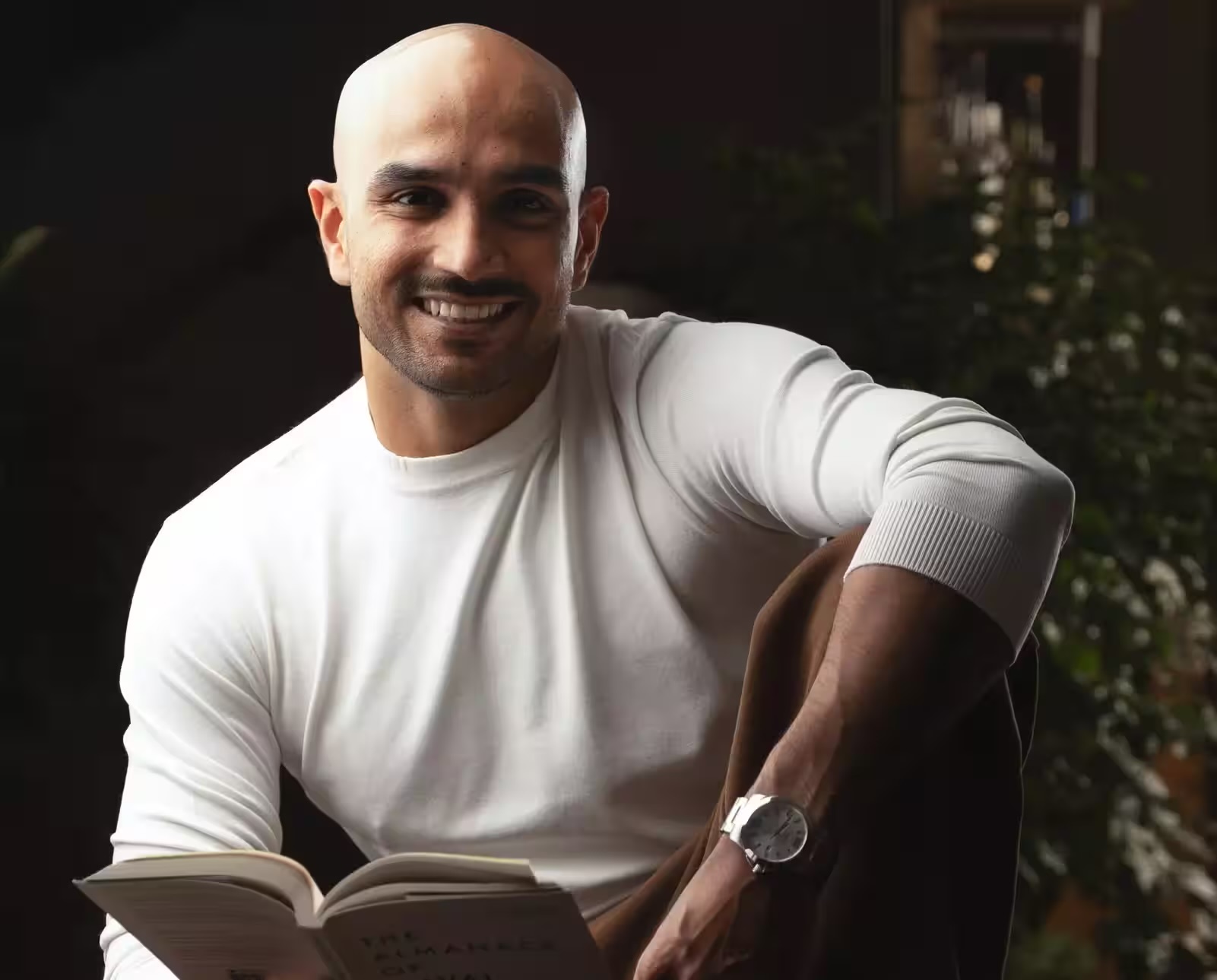
India’s food and beverage landscape is entering a new phase, driven by growing demand for experiential dining, greater acceptance of regional cuisines and increasing appetite for differentiated concepts beyond the traditional metro markets. At the same time, international concepts are finding that localisation is critical to their success in India, says Angad Chachra, Founder, The Bar Consultants (TBC).
An alumnus of the Oberoi School (OCLD), Chachra founded TBC in 2015 and has since been involved in more than 450 F&B projects across nearly 50 cities in India and overseas. The consultancy works across the entire F&B lifecycle, from conceptualisation and planning to menu development, training, trials and operational processes.
Some of the recent F&B projects which the TBC was part of include Mirove Jaipur, Fika Prayagraj, Sundowner Bhubaneswar, Delhi Naka Mumbai, Cafe Ikigai Guwahati, The Sip Society Chandigarh, 12 Chutneys Kuwait, etc.
Experiential dining still has a long runway:
While experiential dining is not new to India, Chachra believes the market is still at an early stage of its evolution. Rising disposable incomes, greater international exposure and the growing propensity of millennials and Gen Z to dine out and seek new experiences are driving the trend.
“India as a market is still in its infancy stage for the F&B,” he said, pointing out that the opportunity extends well beyond Delhi, Mumbai and Bengaluru.
The new generation, he said, is willing to spend more on dining experiences and is increasingly interested in discovering concepts that offer something beyond food. From ramen and coastal cuisine to fine-dining Indian concepts, experiential formats are becoming more diverse, while concepts that were once largely confined to hotels are increasingly emerging as standalone restaurants.
TBC recently worked on Boil & Co in Chandigarh, a New York-style bagel concept, while in Lucknow it has developed ‘Thirteen’, a rooftop bar built around local sourcing, experiential cocktails and a reimagined interpretation of Lucknowi cuisine.
International concepts need an Indian context:
For Chachra, importing a successful international concept and simply reproducing it in India is unlikely to deliver sustainable results. The concept has to be adapted to the local market, including its tastes, demographics and consumption patterns.
“You cannot just pick up a concept from outside, copy it and paste it in your country and it will end up doing well,” he said.
He cited coffee as an example, noting that consumers in India may not necessarily respond to the same acidity, bitterness or flavour profiles preferred in markets such as the UK or New York.
“Whatever we are getting to our country, even if the concept is taken from any other country, we have to make sure that it is Indianised,” Chachra said.
He pointed to international chains such as McDonald’s and Burger King, which have adapted their menus for Indian consumers, as examples of the need to understand and respond to local preferences.
Regional cuisines move to the centre:
Alongside international concepts, Chachra sees growing consumer interest in India’s own regional culinary traditions. He believes the country’s enormous diversity offers an almost limitless opportunity for specialised regional concepts.
At a recent project on the Assam-Meghalaya highway, TBC developed Satviq, a vegetarian concept drawing inspiration from Khasi and Assamese food, while also offering Jain options.
Similarly, at Cafe de Tavern in Mussoorie, the consultancy introduced a section of Kumaoni-inspired Pahari bowls. Chachra said these regional dishes consistently sell out over weekends, suggesting that visitors are increasingly interested in discovering the culinary traditions of the places they travel to. Mangalorean, Chettinad, Coorgi cuisines are also making an impact on the regional concepts, he informed.
“People are looking to explore the regional side of it. They want to understand where our roots are, what people do in different places, how they eat different kinds of food,” he said.
Tier II and III cities offer the bigger opportunity:
While the metros remain important markets, Chachra believes some of the most interesting F&B opportunities are emerging in smaller cities.
TBC has worked across cities including Jaipur, Chandigarh, Guwahati, Itanagar, Siliguri, Bhopal, Indore, Raipur and Chhatrapati Sambhaji Nagar. Jaipur alone, he said, TBC has executed 50 projects.
The economics also make smaller markets attractive. Chachra noted that a 2,000 sq ft space in a Tier II or III city could command rent of around Rs 1-1.5 lakh a month, compared with roughly Rs 6.5-7 lakh or more for a comparable space in Delhi, Gurgaon, Mumbai or central Bengaluru, before additional charges.
“India itself is a playground for anyone in the F&B space and anyone who wants to do something different,” he said.
The traditional distinction between hotel restaurants and standalone F&B is also changing. Chachra said hotels are increasingly working with external consultants and operators to create differentiated F&B concepts rather than relying exclusively on conventional hotel formats.
TBC has worked with brands including Fern Hotels, Marriott, Hyatt and Ramada, and is currently working on a project for Taj Hotels in Chandigarh.
According to Chachra, standalone restaurants have benefited from removing the sense of formality and intimidation that some consumers associate with large hotel properties. Hotels, meanwhile, are increasingly looking for ways to capture this changing consumer behaviour within their own F&B offerings.
Among TBC’s upcoming and recent projects, Chachra highlighted Boil & Co in Chandigarh, which he described as India’s first New York-style bagel store format, with plans for further expansion and airport locations.
Other projects include Satviq on the Assam-Meghalaya border; Longport in Lucknow, a Harrods-inspired coffee and all-day dining concept; and The Sip Society in Chandigarh, designed around the colonial-era tea, coffee and dining culture, with a new grill section being added to its menu. He also spoke about ‘Thirteen’ in Lucknow which would be a one of its kind F&B space to watch out for in Lucknow.
For Chachra, these projects reflect the direction in which India’s F&B market is heading — away from simply replicating established formats and towards concepts that understand their market, tell a story and give consumers a reason to seek out an experience.