


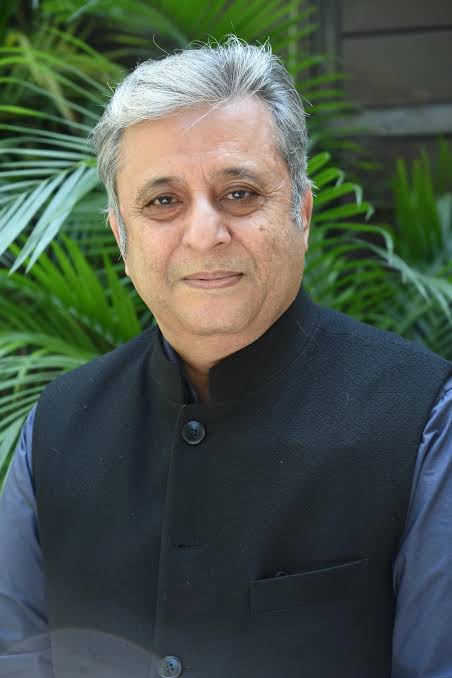
India’s hospitality sector is undergoing significant growth and change due to rapid urbanisation, increased domestic travel, and changing consumer expectations. As the country aims to make tourism a USD 3 trillion contributor to the economy by 2047, hotels and restaurants face unique opportunities and challenges. Saeed Shervani, Managing Director of Shervani Hotels, speaks with Asmita Mukherjee about maintaining a balance between tradition and modernity, the impact of policy and regulation, and the leadership qualities needed to thrive in a fast-changing environment.
How has Shervani Hotels managed to stay relevant while keeping its legacy of personalised service?
At Shervani Hotels, staying relevant means balancing our strong legacy with the changing needs of modern travellers. Our brand is built on personalised service, making guests feel at home. Over the years, we’ve updated our design, improved amenities, and adopted technology, but the warmth of our service has stayed the same.
For instance, our resorts provide wholesome family experiences with activities for all ages. Still, the most important aspect remains the personal connections our staff create with guests. Many of our returning visitors describe it as being “welcomed back by family,” and we believe that’s the true measure of relevance in hospitality.
What sets Shervani Hotels apart in terms of guest experience and operations in a competitive hospitality market?
In a crowded market, differentiation comes down to details. For Shervani, this means offering authentic local experiences and delivering them with the warmth of a boutique hotel, while also providing the efficiency of a modern chain.
For example, at our hill properties, guests can enjoy beautiful landscapes and participate in cultural experiences like cooking local dishes, guided walks, and artisan interactions. We focus on maintaining a high service-to-room ratio, which allows us to personalise experiences in ways that larger hotels often cannot. We blend the intimacy of a boutique property with the reliability of an established hospitality brand.
As the industry embraces technology and sustainability, what is Shervani Hotels’ plan for the next decade regarding innovation, expansion, and guest engagement?
The hospitality industry is changing due to technology and sustainability, and Shervani Hotels is fully engaged with this change. Our plans for the next decade focus on three key areas:
Innovation through Technology: We are investing in seamless digital experiences for guests, including mobile check-ins and AI-driven service personalisation. Technology helps us understand guest preferences and create tailored experiences before their arrival.
Sustainability at Core: We are implementing green initiatives such as renewable energy, water recycling, and sustainable sourcing across our properties. Guests are becoming more aware of their environmental impact, and we want them to feel that their stay has a positive contribution.
Thoughtful Expansion: We are selectively growing in leisure and wellness-focused destinations where experiential travel is in demand and our personalised approach can excel.
Our goal is to enhance engagement by providing memorable experiences that are eco-friendly and ready for the future.
With your extensive experience in hospitality leadership, what do you believe will be the biggest factors driving India’s tourism growth as we approach Tourism@2047?
India’s tourism growth is unfolding in several ways. The biggest factors will be:
1. Rising Middle Class: More Indians are travelling domestically and abroad thanks to growing disposable incomes.
2. Improved Connectivity: New airports, flight routes, and better roads and rail networks are making tier-2 and tier-3 destinations more accessible.
3. Experiential Demand: Tourists are seeking immersive experiences in areas like heritage, wellness, adventure, and food rather than just sightseeing.
By 2047, India is expected to be among the world’s leading tourism economies, and hospitality businesses must prepare offerings that attract diverse travellers, from luxury seekers to budget-friendly explorers.
What changes should hotel and restaurant businesses make today to support FAITH’s vision of a USD 3 trillion tourism economy?
To support FAITH’s ambitious vision, hospitality businesses need to respond quickly and responsibly. First, sustainable expansion is essential. Growth should not lead to over-tourism or harm the environment. Second, the industry must adopt digital transformation in both guest-facing technology and backend operations for better efficiency. Third, investing in talent is critical. Our industry relies on people, and creating top-notch training programs will help us provide world-class service.
Collaboration with local communities is also crucial. Hotels and restaurants should partner with local farmers, artisans, and businesses to create a tourism value chain that supports communities and enhances guest experiences.
How do you see the balance changing between global best practices and distinct Indian hospitality traditions in shaping the industry’s future?
The Indian hospitality experience has always been about warmth and generosity. While global best practices ensure consistency and efficiency, it’s our unique traditions that create lasting memories for guests.
Looking ahead, the industry’s strength will come from blending both approaches. For example, an international traveller might appreciate the precision of global service but also be moved by the unique gestures of Indian hospitality, like a warm welcome or a personal note reflecting local culture. That combination is what will distinguish India in the global market.
Having played a key role in shaping policies like GST strategy and e-visa, where do you think the next significant policy change is needed for Indian hospitality?
The next major policy change should simplify the licensing process. Currently, operators face challenges from multiple permits and approvals, leading to inefficiencies. Adjusting GST for hotels and restaurants is also vital, as inconsistent taxation puts Indian businesses at a disadvantage compared to other tourism hubs in Asia.
Incentivising green hotels in tier-2 and tier-3 cities will also help promote sustainable tourism growth and distribute economic benefits more evenly across the country.
How do you believe government mandates and recent tourism-focused policies have impacted hospitality entrepreneurs?
Policies like e-visas and improved air connectivity have certainly increased demand and tourist arrivals. However, compliance and taxation are still challenges, especially for smaller entrepreneurs. For many, the cost of compliance eats into profits and deters investment in growth.
What we need is a balanced approach—policies that encourage entrepreneurship while ensuring quality and safety. Supportive financial frameworks and simpler compliance processes could generate significant growth in the mid-market segment, which is where India’s tourism potential lies.
What role should associations like FAITH and FHRAI play in making sure the voices of small and mid-sized hospitality businesses are heard in national policy discussions?
Associations like FAITH and FHRAI are vital links between the industry and policymakers. They should amplify the voices of small and mid-sized businesses, ensuring fair representation in decision-making. Skills training, inclusive policy advocacy, and unified messages are essential.
The hospitality industry must also present a united front. A fragmented approach weakens our influence on policy. If associations can consolidate feedback and present a unified agenda, it benefits both the industry and the government, which prefers clarity in national policies.
In your experience, what leadership qualities are essential for guiding hospitality businesses through rapid growth and crises like the pandemic?
Leadership in hospitality requires resilience, empathy, and adaptability. During the pandemic, leaders faced tough financial choices while needing to keep employee morale high. Empathy was vital—not just towards staff, but also for guests who were concerned about safety.
Adaptability is equally necessary. Consumer behaviour can change quickly, as highlighted during COVID-19 with the increase in staycations and hygiene-focused travel. Leaders must be agile enough to pivot while maintaining a steady long-term vision.
With challenges in technology, sustainability, and talent converging, what should Indian hotels and restaurants focus on to remain competitive globally?
The intersection of these three challenges presents an opportunity. Hotels should incorporate smart technology while keeping the human touch, make sustainability a core operational principle rather than just a marketing tactic, and, most importantly, promote hospitality careers as desirable.
Globally, the best hotels are those where employees are proud to work, and where sustainability is a given. If Indian hospitality can position itself as guest-friendly and future-ready, it can not only remain competitive but also set standards for others.
If you could offer one piece of advice to the next generation of hoteliers shaping India’s hospitality story, what would it be?
My advice is straightforward: stay true to Indian hospitality values while welcoming innovation. Technology will change how we operate, but guests will always remember how you made them feel. That warmth and authenticity are uniquely Indian, and if we preserve that while modernising our practices, India’s hospitality will remain unmatched globally.