


India’s hospitality sector is in the midst of a defining phase, one marked not by short-term cycles, but by deep structural transformation. Domestic travel demand, evolving consumer aspirations, and rapid infrastructure development are collectively reshaping the industry’s growth trajectory, while new asset classes and investment models are redefining how hospitality is conceived, built, and operated.
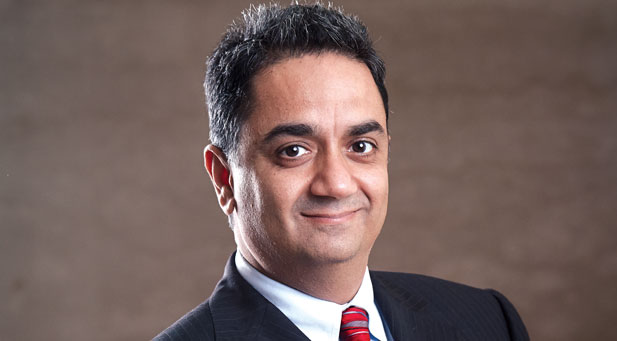
In this exclusive conversation, Manav Thadani, Managing Director, Hotelivate-Savills, offers a nuanced perspective on the forces powering this momentum and the long-term implications for India’s tourism and hospitality ecosystem.
Asmita Mukherjee | Hyderabad
India’s hospitality sector is witnessing unprecedented growth. What are the key forces driving this momentum, and how do you see the market evolving over the next few years?
The growth we are seeing in India’s hospitality sector does not seem like a cyclical spike. It reflects structural shifts that have been building for years. Domestic travel has emerged as the single most powerful demand driver, fuelled by a rising middle class, increasing aspirational consumption, and a genuine cultural shift in how Indians spend on experiences. Add to that the infrastructure momentum with new airports, improved connectivity, expressways which are helping in opening up destinations that were previously inaccessible or underserved. Sports circuits, concerts, Religious and wellness tourism are also contributing meaningfully, as are weddings and MICE, which continue to scale in both volume and value. Over the next few years, I expect the market to become more segmented and sophisticated. Investors and operators who understand the nuances of each demand driver will be the ones who build lasting value.
Hotel performance across segments has remained strong despite global uncertainties. What gives you confidence about the long-term outlook for India’s hospitality industry?
Confidence comes from the fundamentals. India remains one of the most undersupplied hotel markets in the world relative to its population, economic trajectory, and travel appetite. A large majority of available room inventory still sits within the unorganised sector, which means that there is great potential branded hotels. What also gives me confidence is the resilience we have witnessed. Even as global headwinds created volatility, domestic demand held firm. That kind of insulation is not accidental as it reflects the depth of India’s consumption story. The long-term outlook remains compelling precisely because the growth is being driven from within, not solely dependent on foreign arrivals or global economic cycles.
Asset-light models, branded residences, and mixed-use developments are gaining traction. Which of these business models do you believe will have the most significant impact on the sector’s future growth?
Each of these models has merit, but if I had to identify the one with the most transformative potential, it is mixed-use development. When hospitality is integrated thoughtfully into a larger ecosystem which has retail, residences, offices, wellness and so on, creates a consumer base that standalone hotels simply cannot replicate. It also improves asset economics and reduces dependence on any single revenue stream. Branded residences are growing rapidly and the appetite is clearly there, particularly at the luxury end. But their success is still tied to the strength of the brand and the quality of execution. Asset-light models will continue to gain favour with operators and investors seeking scale and capital efficiency. Larger brands are also exploring consolidation opportunities through M&A (Marriott with Concept Hospitality, IHCL with Clarks Hotels etc.)
Investor interest in hospitality assets is at an all-time high. What trends are you currently seeing in hotel investments, transactions, and development activity across India?
There are a few distinct trends worth noting. First, the profile of investors has broadened significantly. We are seeing institutional capital, family offices, REITs, and high-net-worth individuals all active in the same market. What is interesting is that each of these investors have different return expectations and time horizons, but all are beginning to recognise hospitality as a credible asset class. Second, Tier 2 and Tier 3 markets are attracting serious attention, not just as aspirational bets but as genuine investment opportunities. Third, there is growing interest in conversion and rebranding wherein they are taking underperforming or independent assets and repositioning them under a brand. This is often faster and more capital-efficient than greenfield development. Development activity overall remains strong, and the pipeline across segments, ranging from budget to luxury, continue to expand.
How are evolving guest expectations influencing hotel development and operational strategies?
Today’s guests, particularly domestic travellers, are more informed, more discerning, and more experience-driven than any previous generation. They are not simply looking for a room; they are looking for a story, a feeling, a memory. That shift is fundamentally changing how hotels are designed, programmed, and operated. Experience-led design means operators must think about the entire guest journey, not just the physical product. From an operational standpoint, this raises the bar for staff capability, personalisation, and consistency. The hotels that will command premium rates and loyalty are the ones that deliver experiences that feel both distinctive and deeply considered. Looking specifically at wellness, it is no longer an amenity. It is becoming a pillar of the value proposition, especially in leisure destinations. These offerings are expanding from a spa and a salon into a larger eco-system focused on healing, rejuvenation, and longevity. We are already seeing brands (especially luxury brands) adopt and expand their wellness offering considerably. While it remains a niche offering today, it is likely to expand considerably over the coming years.
HICSA has grown into one of the most influential hospitality investment conferences in the region. What does its success say about the maturity and attractiveness of India’s hospitality sector today?
HICSA’s growth is, in many ways, a mirror of the sector itself. When we started, the conversations were largely aspirational. Today, they are substantive, data-driven, and increasingly global in perspective. The fact that owners, institutional investors, global brands, and policymakers all want to be in the same room (and that room keeps getting harder to get into!), tells you everything about where India’s hospitality sector stands. It reflects a market that has earned its credibility. India is no longer a frontier market that global capital is cautiously exploring. It is a priority destination that serious investors are actively allocating to. HICSA has both reflected and contributed to that shift, and that is something we are genuinely proud of.
The Savills–Hotelivate partnership is a significant development for the industry. How will this collaboration enhance hospitality advisory and investment opportunities in India and beyond?
The Savills–Hotelivate partnership brings together two organisations with complementary strengths and a shared commitment to delivering exceptional advisory outcomes. Hotelivate brings deep hospitality-specific expertise with its market intelligence, feasibility, asset management and operator selection expertise, built over years of dedicated focus on South Asia and beyond. Hotelivate has done assignments in more than 30 countries. Savills brings global reach, a world-class real estate platform, and institutional relationships that span every major capital market. Being part of Savills gives us access to a global network, deeper research capabilities and capital markets connectivity. The mandates we can pursue, the markets we can serve and the impact we can create, all expand meaningfully from here. Together, we are able to serve clients more completely. Whether they are entering the Indian market for the first time, managing an existing portfolio, or exploring cross-border opportunities, we are able to help them. For Indian family offices and developers looking to invest internationally, this partnership opens doors in a way that neither organisation could do as effectively alone. It is a genuinely value-additive combination, and we are excited about what it will unlock.
As someone who has closely tracked the industry’s evolution for decades, what are the biggest opportunities and challenges that hospitality leaders should prepare for in the next five to ten years?
The opportunity is immense! India’s hospitality sector is on the cusp of a generational transformation, and those who position themselves thoughtfully today will reap disproportionate rewards. The continued formalisation of the market, the emergence of new destinations, the growing sophistication of domestic travellers, and the integration of technology into every layer of operations, create significant upside for leaders who are willing to invest in quality and relevance.
The challenges, however, are real and deserve honest acknowledgement. Talent remains the industry’s most pressing crisis. We are not producing hospitality professionals at the pace the sector requires, and retention is as difficult as recruitment. Technology will reshape roles and workflows faster than many organisations are prepared for. The leaders who will define the next decade are those who build organisations that are adaptive, people-first, and genuinely committed to delivering value to guests as well as to investors.