


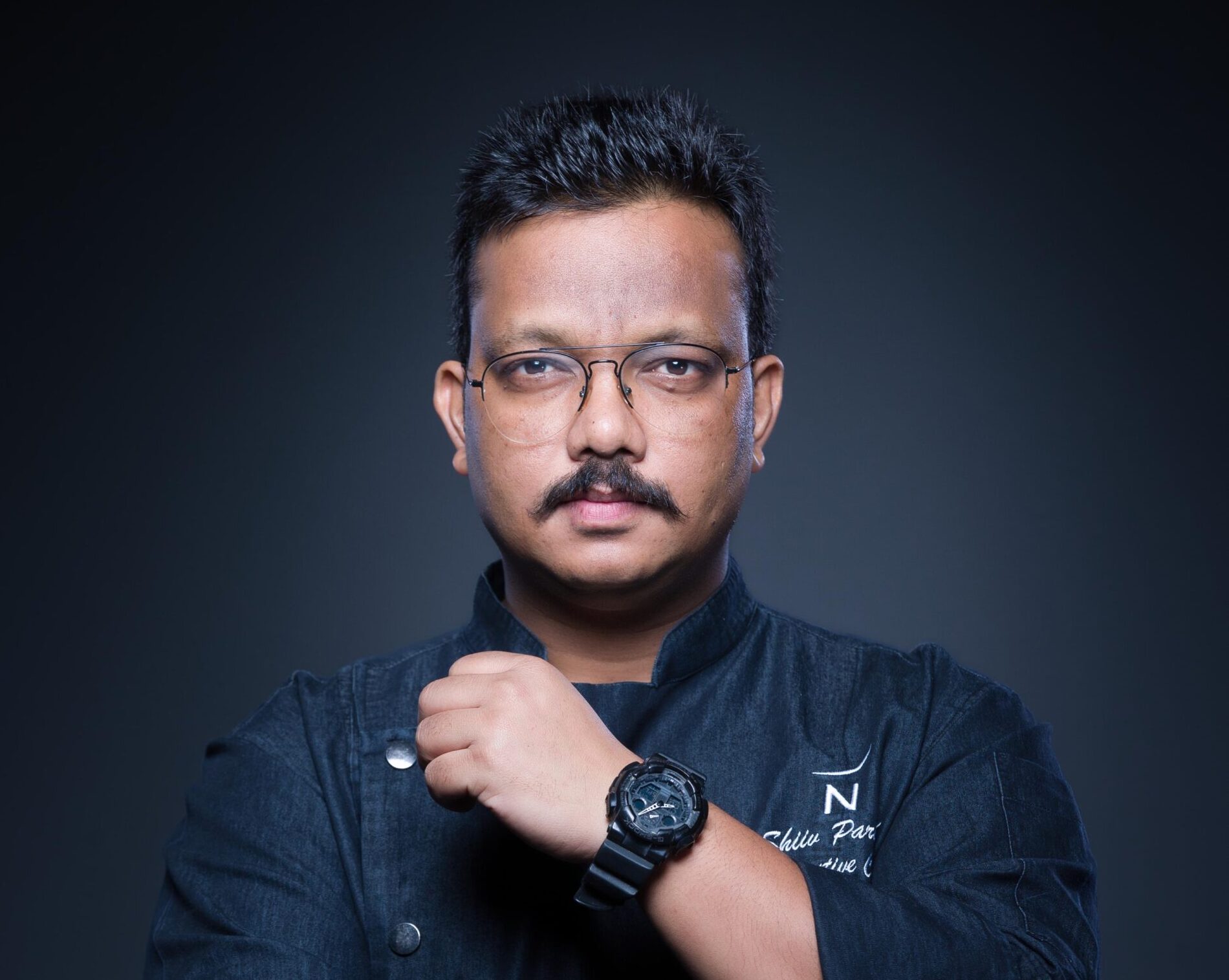
Having spent nearly two decades across luxury hotels, airline catering and destination hospitality, Chef Shiiv Parvesh believes a chef’s journey should be “like a flowing river” – constantly evolving through travel, cultures and experiences. From starting his career at The Oberoi, New Delhi, to handling large-scale culinary operations across India and overseas, Parvesh today leads the kitchens as the Director of Culinary at Novotel Hyderabad Convention Centre and Hyderabad International Convention Centre, where he oversees one of Asia’s largest convention hospitality setups. In an exclusive interaction with Asmita Mukherjee, Chef Parvesh speaks about Hyderabad’s evolving food culture, post-pandemic dining trends, and talent challenges in hospitality.
Tell us about your journey in the hospitality industry and how it all began.
My journey in hospitality has been close to two decades now, and it has been an incredibly enriching experience across luxury hotels, airline catering and large-scale convention hospitality. I started my career after completing a hotel management program in Delhi and joined The Oberoi New Delhi, one of the most respected luxury hotels in the country.
I was fortunate to be part of the pre-opening team of the iconic 360° restaurant, which at the time completely changed Delhi’s fine-dining landscape. That exposure gave me an early understanding of global cuisine, restaurant operations and guest expectations at the highest level.
Over the years, I worked extensively across speciality restaurants, Italian cuisine and luxury dining concepts. A major turning point came when I got the opportunity to represent India at an international food festival in Berlin alongside corporate chefs from leading hotel groups. That experience widened my culinary perspective and helped me understand international hospitality standards.
I later became part of an advanced management training programme within the Oberoi Group, where I trained across multiple luxury properties and restaurants. I worked at The Oberoi Vanyavilas Wildlife Resort, which was among the world’s leading luxury wildlife resorts, and later at The Oberoi Rajvilas, where I handled regional Indian cuisine and destination dining experiences.
Each phase of my career taught me something unique, from luxury dining and regional cuisine to operational discipline and large-scale hospitality management.
You moved from hotels to airline catering and then returned to hospitality operations. How multidimensional was that transition?
The transition was extremely multidimensional and probably one of the most important learning phases of my career. After spending nearly a decade with the Oberoi Group, I wanted to explore hospitality beyond traditional hotel kitchens, which is when I joined Jet Airways as head chef.
Airline catering is a completely different ecosystem. In hotels, food is served fresh and immediately consumed, whereas in aviation catering, you need to focus heavily on logistics, consistency, food safety, shelf life, packaging and operational precision.
I worked across several airline kitchens in India including Goa, Kochi, Calicut and Mangaluru, apart from international exposure in Singapore, Hong Kong, Dubai, Abu Dhabi and Norway. Working with global airline catering companies exposed me to large-scale food production where kitchens cater to lakhs of meals while maintaining global hygiene and quality standards.
That experience fundamentally changed my understanding of culinary operations. It improved my planning ability, operational discipline and adaptability. I often say a chef’s journey should be like a flowing river – constantly moving, learning and absorbing new experiences instead of remaining stagnant.
Hyderabad has emerged as a major culinary destination. How do you see the city’s food culture evolving?
Hyderabad today is one of the most dynamic and cosmopolitan food cities in India. Traditionally, the city has always been associated with Nizami cuisine, biryani and rich culinary heritage, but over the last decade, the dining ecosystem has evolved tremendously.
What makes Hyderabad unique is that it beautifully balances heritage and modernity. You can begin your day with traditional Irani chai and bun maska, enjoy authentic local street food during the afternoon, and still experience some of the finest international dining concepts by evening.
The city today attracts professionals and residents from across the country because of the IT sector, multinational companies and startup ecosystem. Naturally, this diversity is reflected in the food culture as well. Hyderabad has become a melting pot of cuisines, cultures and dining preferences.
At the same time, people here remain deeply connected to flavour and authenticity. Guests appreciate innovation, but they also expect strong local relevance in menus and ingredients.
What major hospitality and dining trends are you witnessing after COVID?
One of the biggest behavioural changes after COVID is the increased desire for experiential dining and social interaction. During the pandemic, people were restricted to their homes for long periods and relied heavily on food delivery platforms. Once restrictions eased, consumers actively wanted to step out, travel and experience restaurants again.
Today, dining out is no longer just about eating food, it has become a lifestyle and experience-driven activity. Families, young professionals and travellers want ambience, engagement, unique concepts and personalised hospitality.
We are also seeing greater focus on wellness, sustainability, ingredient transparency and regional cuisine. Guests are more conscious about what they consume, where ingredients come from and how food is prepared.
At the same time, there is growing demand for premium experiences, curated menus and immersive dining formats across hotels and standalone restaurants.
Talent shortage continues to be a major concern in hospitality. What is your perspective on this issue?
The talent challenge in hospitality is real, but I believe the industry also needs to rethink its approach towards nurturing professionals. We often hear that trained talent is unavailable, but the reality is that the industry must invest more time in mentorship, skill-building and long-term grooming.
Young professionals today require guidance, encouragement and practical exposure. Hospitality leaders cannot only function as operational heads anymore, but they also need to become trainers, mentors and educators.
If senior professionals spend even a small percentage of their time mentoring teams, the industry can create extremely capable talent pools. The hospitality sector is expanding rapidly, with hotel chains aggressively growing across India, so there is a tremendous opportunity for young professionals.
The industry also needs to position hospitality as an aspirational and financially rewarding career option to attract better talent at the grassroots level.
Sustainability and local sourcing are becoming central to hospitality operations. How is your property approaching this?
Sustainability today is not optional but it has become an operational responsibility. At our property, we are consciously working towards reducing carbon footprints and increasing the use of local ingredients and regional produce.
We strongly believe in the philosophy that “local is global.” Ingredients like gongura, jamun, regional mangoes and local herbs may be local to Hyderabad today, but when presented thoughtfully, they become globally appealing culinary elements.
We are also focusing on responsible sourcing practices, reducing unnecessary transportation of ingredients and adopting environmentally conscious menu planning. The company has implemented sustainability frameworks where recipes and menus are evaluated from a carbon footprint perspective as well.
Additionally, we have developed small kitchen gardens within the property to promote fresh herb and produce usage. Sustainability is increasingly becoming an important factor for both hotels and guests.
Are there any new restaurant concepts or culinary plans in the pipeline?
Yes, we are currently working on introducing a new high-end international restaurant concept at the hotel. The discussions and preliminary planning are already underway, and we expect the project to move into execution soon.
The idea is to create a differentiated culinary experience that is still relatively unexplored in Hyderabad’s hospitality market. Guests today are looking for novelty, authenticity and immersive dining, and we want to bring something that aligns with global trends while remaining relevant to the city’s evolving food culture.
We have also worked extensively on concepts like Under the Mango Tree and other dining formats within the property, where the focus has been on combining ambience, local inspiration and guest experience.
Managing culinary operations at a large convention centre must be very different from a regular hotel. How challenging is it?
Convention hospitality operates at an entirely different scale compared to standalone hotel restaurants. At HICC, we regularly handle large-format events, corporate gatherings, weddings and conventions where catering can range from a few hundred to several thousand guests.
Managing food operations for 5,000 to 10,000 guests requires extremely detailed planning, coordination and execution. It is not only about culinary skill, but it also involves logistics, procurement, manpower management, timing, consistency and guest experience.
Every event is different. One day you may be handling a luxury wedding, the next day a corporate convention, and another day an international conference. That diversity keeps the work exciting and constantly pushes teams to perform at a very high operational standard.
In my opinion, large convention hospitality teaches discipline, adaptability and the importance of teamwork more than anything else.
Asmita.mukherjee@saffronsynergies.in