


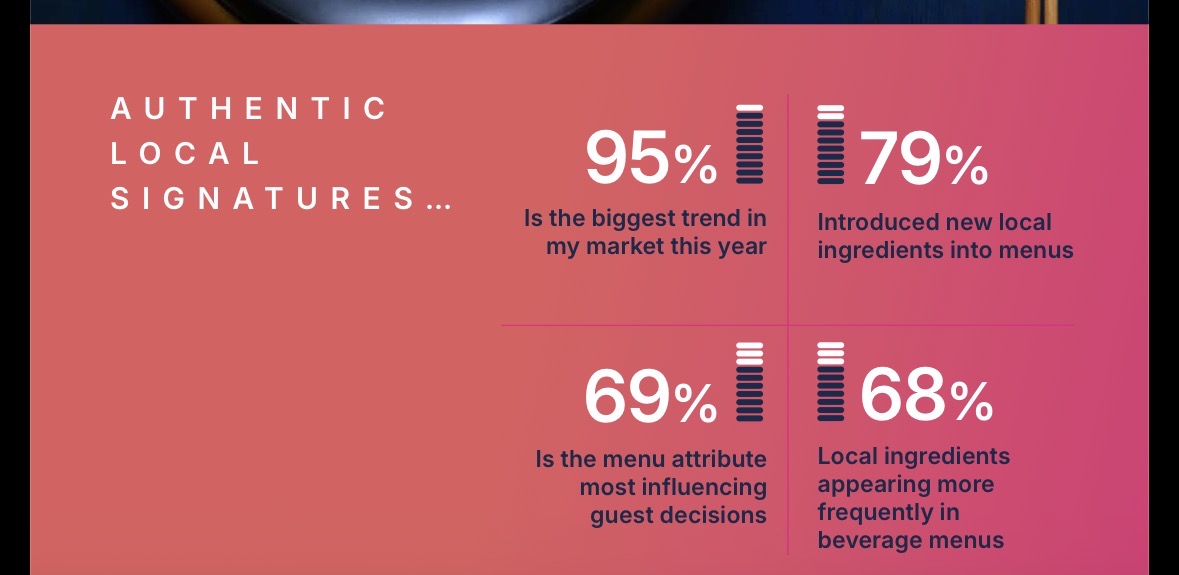
95% of surveyed properties identify authentic local dishes as the region’s strongest dining trend
Local cuisine is emerging as the strongest force shaping food and beverage trends across Asia Pacific excluding China, with 95% of Marriott International’s surveyed properties identifying demand for authentic local signature dishes as the biggest trend in their markets.
According to Marriott International’s Future of Food 2027 report, the region’s dining landscape is also shifting away from conventional restaurant formats, with guests increasingly seeking flexible, social and destination-led experiences across bars, lounges, counters and outdoor spaces.
Petr Raba, Vice President of Food & Beverage, Marriott International, Asia Pacific excluding China, said, “Across Asia Pacific, we’re witnessing a shift toward intimate, locally-rooted experiences, where smaller, intentional spaces replace traditional formal dining models.”
The report found that nearly half of the surveyed properties are seeing increased demand for casual venues such as lounges, bars and outdoor dining areas. Smaller 40 to 60-seat concepts with distinct identities are also gaining traction.
Technology is increasingly supporting these changes. In Thailand, 100% of the restaurants and bars surveyed are already using AI in their operations, with applications spanning menu development, marketing, staffing and guest insights.
Local Focus
Hotels are increasingly building menus around ingredients and culinary stories associated with their destinations. Over the past year, four in five properties surveyed introduced new local ingredients, while nearly three-quarters reported that locally sourced ingredients are appearing more frequently in beverage menus.
The trend is particularly strong in India and Indonesia, where demand for local signature cuisine stands at 71% and 67%, respectively.
At the same time, fine dining is becoming shorter and more focused. The report found that 58% of properties have average fine-dining experiences lasting between 1.5 and two hours. In Singapore, 85% of restaurants reported an average dining duration of around 1.5 hours.
Restaurants are responding by reducing course counts, offering more a la carte options and focusing on key moments within the meal rather than extended tasting menus.
Wellness Dining
Wellness is also becoming a mo