


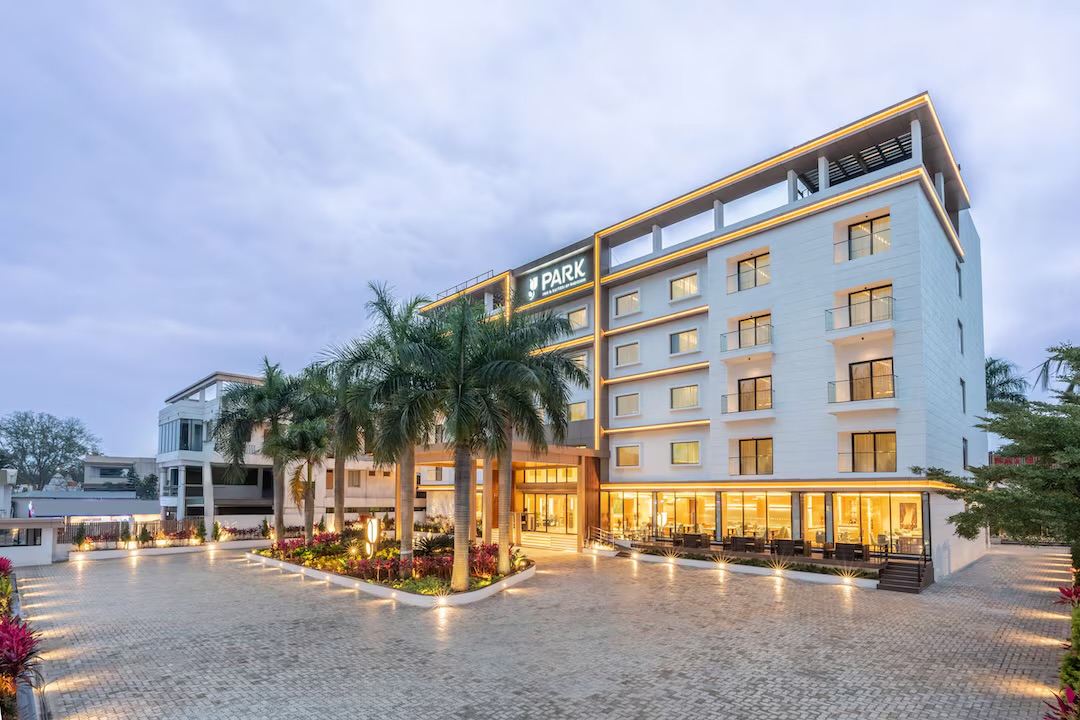
Radisson Hotel Group is redirecting a larger share of its India expansion towards metropolitan and other major cities while continuing to explore smaller markets, as it works towards a portfolio of 500 hotels by 2030. The strategy marks a shift in emphasis for the group, which built an early presence in India’s tier-two and tier-three cities and is now looking to capture further opportunities in larger urban markets.
The group currently operates 146 hotels with approximately 16,000 rooms in India and has another 86 properties, accounting for 10,488 rooms, under development. Achieving its 2030 target will require it to add around 250 hotels over the next four years, according to Elie Younes, Executive Vice President and Global Chief Development Officer, Radisson Hotel Group.
Around 60% of the planned additions are expected in tier-one and tier-two cities, while the remaining 40% will be spread across tier-three cities and smaller markets. The larger markets currently account for approximately 55% of the group’s Indian portfolio.
Despite the increased focus on established urban centres, Radisson intends to retain its strategy of entering destinations with limited branded hotel supply. The group is also exploring opportunities in leisure destinations, religious tourism centres and wellness-oriented properties, while business travel is expected to remain a key demand driver.
Recent additions to its network include hotels in Narkanda, Coorg, Tadoba, Sonipat, Ujjain, Bhubaneswar, Namakkal and Sagar. The expansion reflects an effort to balance opportunities in high-demand cities with markets where organised hospitality remains relatively underdeveloped.
Asset-light expansion
Radisson plans to follow an asset-light approach for approximately 95% of its planned additions. Under this model, property owners and local partners fund the development, while the group operates the hotels through management agreements or allows owners to use its brands and operating systems under franchise arrangements.
The group expects management contracts and franchising to contribute roughly equal shares of its next phase of growth. Management agreements accounted for about 65% of its new signings so far in 2026, with franchises making up the remaining 35%. However, the company anticipates a greater role for franchising as hotel ownership and operating models evolve in India.
Radisson has not ruled out selective investments or joint ventures with existing partners. Its earlier partnership with Bestech Group, established in 2012 with a combined development commitment of US$42 million, was aimed at expanding its mid-scale hotel presence across north and central India.
Premium portfolio
The group’s planned brand mix will reflect opportunities across different price segments. Approximately half of the upcoming properties could operate under the core Radisson brand, while around 30% are expected to fall within the upper-upscale and luxury categories, including Radisson Blu and Radisson Collection. The remainder will include upscale and lifestyle hotels, serviced apartments and other formats.
In smaller cities, the viability of luxury hotels can be constrained by room rates that do not adequately support construction and operating costs. The group therefore expects its core brand to play a larger role in these markets, offering a consistent branded experience at a comparatively lower development cost.
India accounts for around 15% to 16% of Radisson’s global system revenue, with room revenue contributing approximately 60% of its business in the country. The group considers India one of its key growth markets globally, alongside China.
Demand outlook
Radisson’s predominantly domestic demand base has helped its Indian operations remain relatively resilient amid disruptions to international travel caused by the West Asia conflict. The company reported stronger hotel demand in 2026 compared with the previous year.
For the year to September 2026, the group’s hotel occupancy stood at 67%, an increase of 1.3 percentage points year on year. Average daily rates rose 5% to INR 8,000, while revenue per available room increased 7% to INR 5,000.
Looking ahead, Younes expects India’s hotel revenue growth to be in the range of 3% to 5% in 2027, with some cities potentially recording stronger performance. Currency depreciation could, however, affect growth reported after converting rupee earnings into foreign currencies.
The expansion is also expected to generate employment, with the group estimating that its growth could create between 20,000 and 40,000 jobs. Attracting younger professionals and positioning hospitality as a long-term career option remain important priorities as the industry expands.
source : MINT