


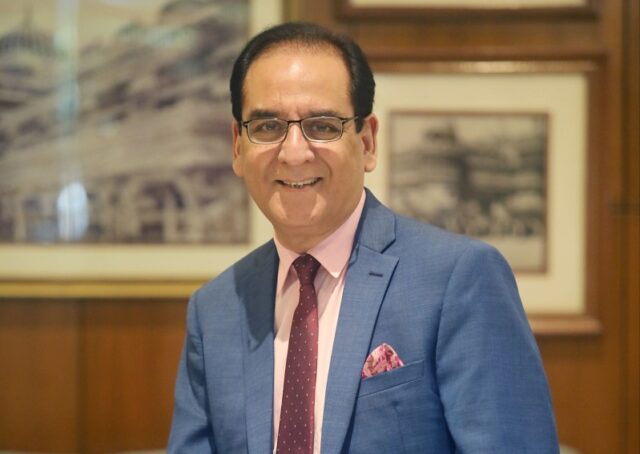
K.B Kachru, President, Hotel Association of India, Chairman – South Asia, Radisson Hotel Group
The festive cheer of 2025 ushered in a new wave of optimism for India’s hospitality sector. Across the country, hotels are witnessing record occupancies, driven by a strong resurgence in domestic travel, a surge in leisure demand, and an increased appetite for experiential travel. Buoyed by governmental policy support and an increased customer and investor confidence, the industry is firmly on the path of sustained growth.
The Indian Railways witnessed a remarkable surge in passenger traffic, with over 1.5 crore travelers taking to the tracks for Diwali, Dussehra, and Chhath Puja turning stations nationwide into vibrant reflections of India’s enduring festive spirit, itssound economy and traveler confidence.
Given its size and diversity, India is endowed with a wealth of traditions, culture, and festivals. Festivals especially the major ones that are accompanied by academic breaks or fall over a long weekend result in a travel bonanza in the true spirit of celebrations – with family and close friends. According to reports, bookings across urban and leisure destinations skyrocketed, with even the intercity bus services reporting occupancy levels as high as 95-100%. This corroborates the trend of growing interest among people to travel during the festive season- to re-unite with family or to celebrate with friends.
Urban hotels are experiencing high demand due to staycations and MICE, meanwhile leisure destinations are running at near-full occupancy levels.
This trend is not just confined to metros, but also smaller cities and spiritual destinations like Ayodhya, Amritsar, Varanasi, and Puri that continue to experience strong festive bookings, indicating the broadening geographical footprint of India’s travel economy. With the rise in disposable income and the desire for greater indulgence and experience, the momentum is only supposed to stay upright.
Policy Reforms Driving Affordability and Growth
The recent reduction in GST rates for hotel rooms priced up to ₹7,500 has further catalyzed travel and hotel stays. The simplified 5% GST structure has increased affordability and encouraged more Indians to explore short breaks and staycations.
This reform has particularly benefitted the midscale hotels and mid-market travelers that form the backbone of India’s domestic tourism helping operators capture a wider base of aspirational travelers who seek comfort, quality, and value. The cascading effect is evident with improved room occupancies and a more vibrant ecosystem of employment and allied services.
Complementing strong Government policy support, rising alongside is India’s consumption patterns. As per the Franklin Templeton’s report “Beyond Necessities: India’s Affluence-Driven Growth,” India’s per capita income is expected to nearly double from $1,360 in 2010 to $5,242 by 2030, ricocheting the nation into an affluence trigger zone where discretionary spending and lifestyle-driven choices are set to surge.
Evolving Travel Behavior
Today’s travelers are increasingly experience-driven. Instead of limiting celebrations to homes, many are choosing to spend festivals at resorts or city hotels that offer curated cultural experiences, gourmet dining, and family-centric entertainment. Hotels are emerging as preferred destinations for Diwali events, festive brunches, and intimate social gatherings.
Staycations, too, have become a mainstream phenomenon. Guests are exploring local hotels for wellness, leisure, and downtime within their own cities, which is an encouraging trend that adds resilience to the sector, even during periods of limited long-distance travel. This demonstrates a broader diversification of travel choices, with domestic tourists moving beyond traditional metro cities toward more meaningful and memorable journeys. Technology has become central to this evolution by reshaping not only how people travel, but also how they discover lesser-known destinations online. Rather than sticking to conventional getaways, many are exploring new places and unique experiences.
This shift is especially visible in Tier-2 and emerging destinations, where visitors are seeking heritage-rich stays, authentic cultural encounters, and offbeat adventures. The trend highlights a growing diversification in travel preferences, as domestic tourists move beyond metros in pursuit of more meaningful and memorable journeys.
The hotel industry’s growth during the festive period extends far beyond room revenues. It stimulates local economies, from farmers supplying fresh produce to artisans crafting décor and entertainers providing live performances. Every hotel booking contributes to a wider value chain that sustains millions of livelihoods across India.
As the government continues to focus on tourism infrastructure, connectivity, and visa facilitation, the industry stands ready to align with the national vision of making India one of the top global tourism markets.
Looking Ahead: Sustaining the Momentum
The buoyancy seen during the festive season is not an isolated spike; it reflects a deeper structural shift in India’s travel and hospitality landscape. We are witnessing the emergence of a confident domestic traveler, a strong base of experiential demand, and a supportive policy environment.
The next phase of growth will be shaped by sustained investment in skill development, sustainable operations, and technology adoption. The sector remains committed to create world-class experiences that reflect the warmth, culture, and diversity of India while contributing meaningfully to the country’s GDP and employment.
Overall, the hospitality sector is riding a positive momentum in the festive season, fueled by consumer confidence, increased mobility and affordability, and the desire for unique travel experiences. India’s hotels remain committed to evolving with these trends, delivering safe, comfortable, and engaging stays while supporting the growth of the country’s tourism ecosystem.
The Great Indian Festive Getaway of 2025 is not just about hotels being full, it is about an industry that is once again full of promise and potential.