


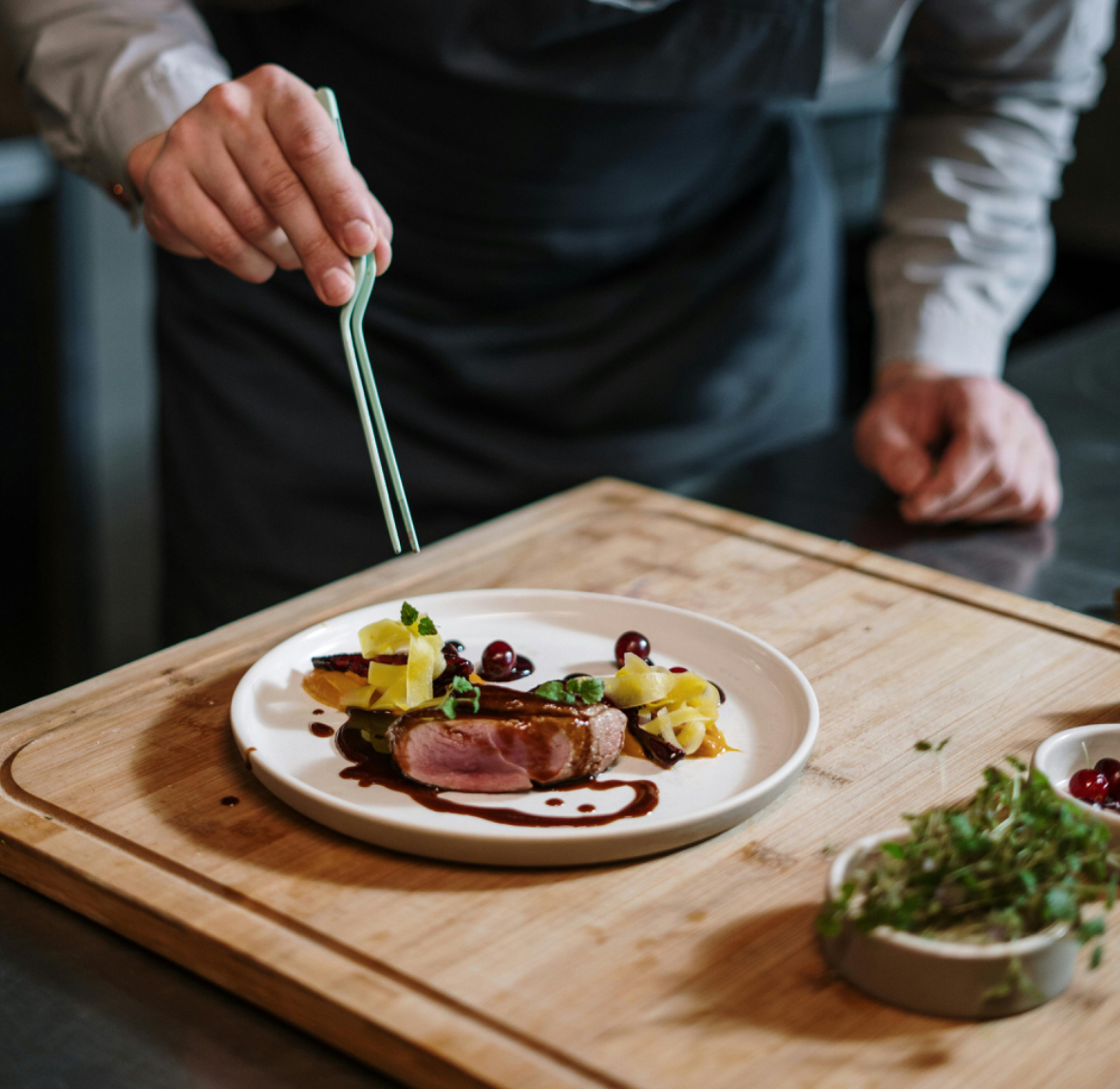
India’s food industry is experiencing a culinary revival. Chefs are no longer just cooks but also entrepreneurs, mentors, and influencers who are shaping the country’s food identity. They are driving innovation in fine dining, quick-service restaurants, packaged foods, and even consulting. This often blurs the line between craft and business. Asmita Mukherjee spoke with some of the country’s finest chefs and culinary consultants to uncover the behind-the-scenes story of these change-makers redefining India’s food landscape.
From Backstage to Mainstage

The modern Indian chef is now visible, no longer hidden behind kitchen doors. As Chef Abhijit Saha, Chef-Owner of LYFE & Rosmarino and Founder and Managing Director of Ace Hospitality and Consulting Pvt Ltd, notes, “The transformation has been gradual but dramatic. It is all of the above and much more. It all depends on the chef’s skill and willingness to multitask and innovate.”

At Sheraton Grand Pune’s Chingari, Master Chef Gulam Qureshi has seen this change firsthand. “The chef’s role has changed from being confined to the kitchen to becoming a multifaceted leader and cultural influencer,” he says. “Today’s chefs are entrepreneurs, storytellers, and change-makers who shape dining trends and guest experiences.”

For Chef Rungtiwa, Executive Chef at InAzia, Sheraton Grand Bengaluru Whitefield, this change signifies a new phase in culinary culture. “Traditionally, a chef was seen mainly as a craftsman in the kitchen. But today, a chef is also a mentor, a leader, and often the face of a culinary philosophy. This comes with a great sense of responsibility,” she notes.
By curating experiences at chef’s tables and engaging with diners through social media, India’s chefs are reshaping leadership in the kitchen. As Qureshi rightly points out, “We don’t just create dishes; we curate experiences, lead teams with vision, and connect directly with guests.”
India’s economic growth and evolving consumer tastes have led to a rise in chef-led ventures, including boutique restaurants, brewpubs, and direct-to-consumer food brands. Saha observes, “Most chefs today dream of becoming entrepreneurs much faster than they did before. Economic growth, market demand, and access to capital have encouraged chefs to embrace entrepreneurship.”
His own journey reflects this change. “My company, Ace Hospitality and Consulting Pvt Ltd, started with three employees a few years ago and now employs over 85 people,” he says. “The food industry has become one of the largest employers in India, providing jobs to educated and marginalized workers alike.”
Rungtiwa sees this as a generational shift. “Many chefs are branching out to create their own ventures, from boutique restaurants and cloud kitchens to packaged food brands and culinary startups,” she says. “This is reshaping entrepreneurship, expanding the ecosystem, and creating new roles not just for chefs but also for food technologists, marketers, farmers, suppliers, and hospitality professionals.”
Digital platforms have given these ventures a wider reach. “Social media and direct-to-consumer models have created a new kind of chef-led businesses that are less capital-intensive and more sustainable,” says Saha. For Qureshi, the digital landscape allows chefs to evolve into brands. “Social media has amplified their influence, transforming them into personal brands with dedicated followings,” he says.
Behind the Scene
The culinary profession has often been romanticized, portraying a glamorous image filled with gleaming knives and applause. Yet, chefs say the reality involves hard work and resilience. “Surviving the tough initial years and learning the ropes is key to survival and success. A chef’s life is like a roller coaster ride full of ups and downs. The ability to handle challenges makes the journey more rewarding,” Saha states.
Qureshi agrees that while technology has reduced some challenges, the profession remains demanding. “Culinary challenges are less than before when chefs relied heavily on manual tools. However, chefs still face long hours, high pressure in the kitchen, and the constant need for innovation while maintaining quality,” he says.
For Rungtiwa, the challenges are both emotional and physical. “The culinary world looks glamorous from the outside, but the reality behind kitchen doors can be intense. Chefs deal with physical, emotional, and professional challenges in their careers. Long hours on their feet and the demand for perfection can be tiring,” she says.
Despite these obstacles, the passion for their craft keeps all three chefs motivated. As Rungtiwa puts it, “The joy of seeing people connect with your food fuels us to keep going, even on the toughest days.”
From fine dining to casual dining, India’s culinary landscape is expanding. “They are all part of the same big pie and have good prospects,” Saha says. “Fine dining may have taken a back seat in some markets, but it is still popular in others. The real growth seems to be in casual dining, including cafés, quick-service restaurants, smart casual eateries, and brewpubs.”
Rungtiwa agrees that success depends on a chef’s strengths rather than following a single path. “There isn’t one best approach,” she says. “Success comes from resilience, clarity, and continuous learning, whether in fine dining, casual dining, cloud kitchens, or packaged food.”
For Qureshi, the trend is moving toward experience-driven dining. “This transformation reflects hospitality’s shift toward creating experiences, where the chef’s personality, philosophy, and craft are key to the restaurant’s identity,” he explains.
Saha believes the next big opportunity may be in culinary tourism. “It is in the early stages in India and holds significant potential,” he says.
Mentorship: The Secret Ingredient
Chefs unanimously agree that mentorship will shape the future of India’s culinary scene. “Mentorship and talent development have become crucial. Training has not kept pace with the industry’s rapid growth. Good mentorship can guide young chefs onto the right path, leading to a better future,” Saha notes.
Qureshi’s kitchen at Sheraton Grand Pune embodies this philosophy. “Mentorship is essential for shaping India’s culinary future. Kitchens should be learning platforms where young chefs learn techniques, discipline, and creativity from experienced mentors. We prioritize structured training, cross-exposure opportunities, and pathways that nurture talent,” he adds.
Rungtiwa, who attributes much of her growth to strong mentors, calls this the “heart” of a sustainable food industry. “In today’s fast-evolving culinary world, mentorship and talent development are critical,” she states. “The next generation of chefs will influence not only what we eat but also how we grow in creativity, sustainability, and inclusivity.”
Rethinking Success
As India’s chefs become cultural figures and creative entrepreneurs, they are also rethinking what success means. “What seems innovative today might become outdated tomorrow,” Saha explains. “Success is always a product of hard work, creative thinking, and innovation. One must adapt over time to remain relevant and inspiring.”
For Qureshi, success reaches beyond Michelin stars or critical praise. “Chefs are redefining success past Michelin accolades,” he observes. “Today, it’s measured by sustainability, empowering teams, engaging with the community, and personal satisfaction. Success now means creating lasting legacies through preserving culinary traditions, training talent, and providing memorable guest experiences.”
Rungtiwa believes this new definition is both healthier and more comprehensive. “Success in our field looks very different now,” she states. “Today’s chefs are not judged solely by restaurant reviews but by their influence, innovation, and impact inside and outside the kitchen. It’s about purpose as much as excellence — and that is a positive shift.”
The New Taste of Leadership
Chefs are no longer just preparing meals; they are also creating change. As India’s food and beverage industry is expected to surpass INR 8 trillion by 2027, chefs lead the way in innovation, sustainability, and entrepreneurship. They are building businesses, supporting teams, and shaping communities through food.
As Qureshi notes, “Chefs today are educators, innovators, and ambassadors, shaping modern food culture while preserving culinary heritage.” Saha adds, “Success will always rely on hard work, creative thinking, and innovation.” Rungtiwa concludes, “We live in a time where purpose defines success — and that makes this journey so fulfilling.”