


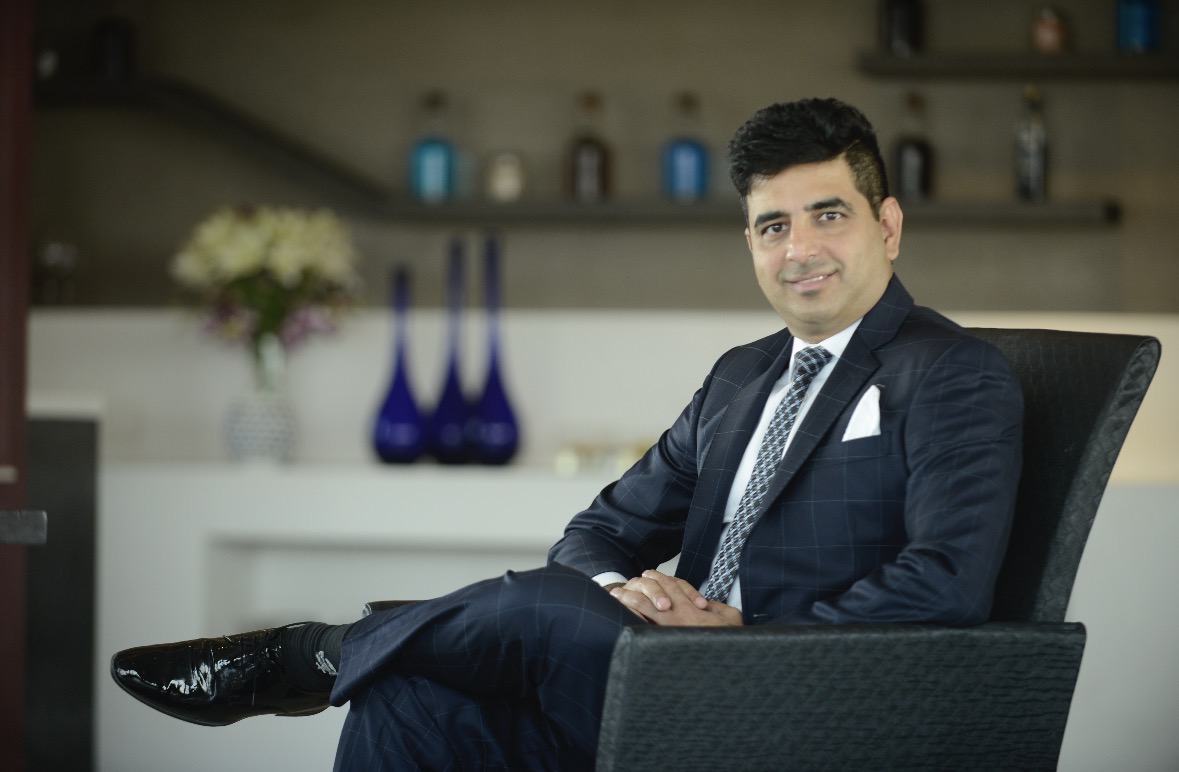
India’s hospitality sector is entering a crucial time. According to Paritosh Ladhani, Joint Managing Director of SLMG Beverages and Sincere Developers, the success of this industry will depend on scale, brand partnerships, and operational efficiency. With his diverse experience in beverages, hotels, and restaurants, Ladhani suggests that hospitality owners must balance asset ownership with strong relationships with brands and operators to stay competitive.
Ladhani, the founder of Hard Rock Café Delhi and owner of the Taj Hotel & Convention Centre in Agra, notes that the sector is gradually shifting from standalone entrepreneurial models to professionally managed assets that are aligned with institutions.
From Bottling to Hospitality:
Ladhani explained that his transition from large-scale bottling to hospitality felt like a natural progression. He has always focused on consumer-facing businesses.
“My journey has always been driven by a passion for consumer brands and experiences,” he said. “The bottling business taught me about scale, efficiency, and operational discipline, but hospitality and F&B allowed me to connect with consumers on an emotional level. Hotels and restaurants are ultimately about experiences, not just products.”
SLMG Beverages, a key Coca-Cola bottler, operates in a fast-paced, margin-sensitive market that prioritises systems and process discipline. Ladhani stated that these fundamentals now shape his approach to owning hospitality businesses. “Entering this space was about combining operational rigour with creativity, service, and storytelling,” he added.
Building Brands:
Ladhani’s hospitality portfolio includes two very different assets: Hard Rock Café Delhi, a lifestyle-driven food and beverage brand, and the Taj Hotel & Convention Centre in Agra, which is a large convention hotel.
Reflecting on lessons from both ventures, he emphasised the importance of consistency. “Consumers may forgive a bad day, but they will not accept a diluted brand promise. Building hospitality brands taught me how important it is for culture, people, and processes to work together.”
He also highlighted the significance of visible leadership in hospitality. “Unlike businesses that focus on backend operations, hospitality requires presence. You need to listen to guests and teams and respond quickly.”
Adapting Global Brands for India:
Launching Hard Rock Café in Delhi presented the challenge of adapting a global brand for Indian consumers while maintaining its core identity.
“The main challenge was balancing the global brand identity with local sensibilities,” Ladhani explained. “Indian consumers have unique preferences in food, pricing, and social dining.”
He pointed out that localisation was intentional and thoughtful. “We changed menus, respected cultural differences, and adapted service styles, all while keeping the brand’s essence—music, energy, and authenticity. This balance often determines if global brands simply enter India or grow successfully.”
Owner-Led Challenges in Hotel Operations:
From an owner’s viewpoint, Ladhani described the current operating environment as more complicated. “Rising operating costs, talent shortages, and increasingly discerning guests are the biggest hurdles.”
He noted that guest expectations have expanded quickly. “Today’s guests expect personalisation, technology, sustainability, and value—all at once.”
For owners, this creates pressure on profits and the necessity for ongoing reinvestment. “Maintaining margins while investing in people, assets, and guest experiences is the key challenge,” he said, adding that alignment between owners and operators is essential. “Agility and strong alignment are vital in today’s market.”
Strategic Partnerships Gain Importance:
In this context, Ladhani mentioned that strategic partnerships with global brands and institutional operators are becoming more important.
“Strategic links bring brand equity, global distribution, operational know-how, and credibility with lenders and investors,” he said. “They accelerate growth, improve efficiency, and allow owners to focus on long-term asset value.”
Evaluating Partnerships:
As an owner and developer, Ladhani said he makes partnership decisions based on long-term fit rather than short-term benefits. “I value brand alignment, operational ability, transparency, and long-term vision.”
He stressed that understanding the local market while upholding global standards is non-negotiable. “Strong governance and clear roles help manage operational and market risks—especially in a cyclical industry like hospitality.”
This strategy was tested when developing the Taj Hotel & Convention Centre in Agra. “It required long-term thinking, patience, and alignment with stakeholders. It pushed me to evolve from being an operator to a more strategic, people-focused leader.”
Independent Hotels vs. Branded Assets:
Regarding the future of independent hotels, Ladhani stated that survival is possible but getting harder without clear differentiation. “Independent hotels can survive, but it will be tough without a strong unique selling point,” he said. “Brands offer scale, distribution, and systems that are challenging to replicate independently.”
He believes the future will lean towards a hybrid model. “Owners who retain control of their assets while leveraging the strengths of brands and operators will be better equipped to stay competitive.”
Outlook for 2026:
Looking ahead, Ladhani expressed cautious optimism about the sector. “2026 seems promising,” he said, pointing to robust domestic travel demand, improving infrastructure, and increasing disposable incomes.
He also highlighted India’s growing role as a global destination for events and weddings. “These segments provide ongoing support for quality hospitality assets.”
From an investment standpoint, he sees renewed interest in well-located, well-branded hotels. “Operational performance should remain solid, but careful cost management will be crucial.”
“Today’s hospitality is about combining operational rigour with emotional connection. Those who can consistently achieve both will create lasting value,” Ladhani concluded.