


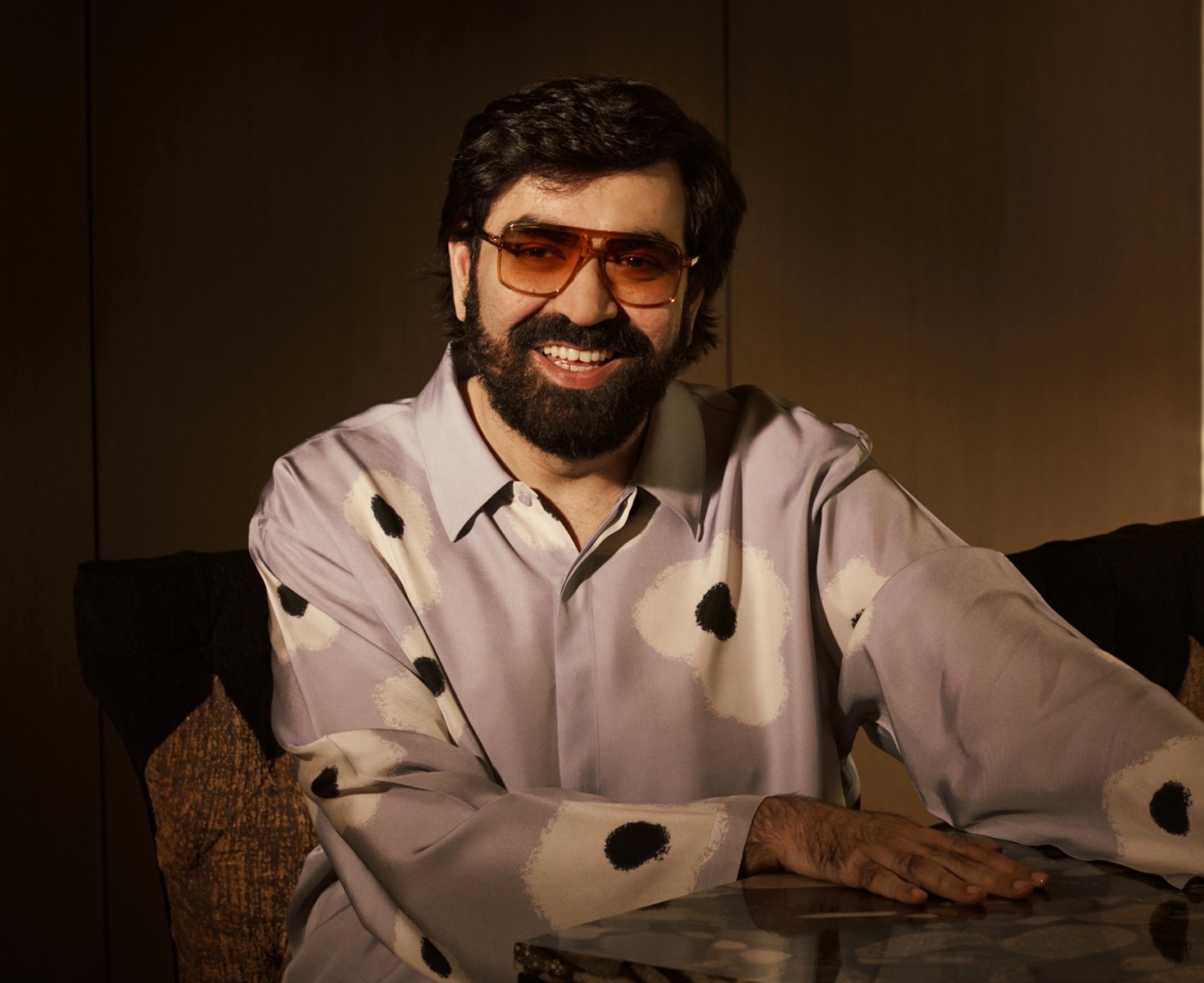
For businesses, creating an inclusive workplace is not only about giving marginalised communities an opportunity; it can also translate into deep organisational loyalty when people are given a sense of belonging and a clear path to grow, according to Keshav Suri, Executive Director, Lalit Suri Hospitality Group, and founder of Keshav Suri Foundation, which fights for equal rights for marginalised and discriminated people and communities including LGBTQ+.
Speaking to HospitalityBiz India on the sidelines of a certification ceremony of tribal students from Manipur, Nagaland and J&K sponsored by the Ministry of Tribal Affairs at The Lalit Suri Hospitality School, Suri said organisations often underestimate the value that people from marginalised communities who have been historically pushed to the margins can make when they are provided with the right skills, tools and opportunities.
“They are only looking for equal opportunity and a holding hand. In return, business enterprises can get unmatched loyalty. The moment you show belongingness, these communities will stay forever,” Suri said.
He pointed to The Lalit Group’s own experience, saying more than 50 per cent of its workforce comes from marginalised communities, with attrition among them at zero.
“Our team comprises members of LGBTQ communities, differently abled, neuro-divergent, acid attack survivors, etc. We keep them in the front and not in the shadows,” he said, adding, “Everything we do at the Lalit is to build and enable marginalized communities,” he said.
For Suri, the approach is not about positioning the organisation as a “saviour” of disadvantaged communities, but about creating an “enabling environment” in which individuals can build independent and dignified lives without discrimination.
The Kashav Suri Foundation, founded by Suri, is also preparing to release a report examining the business case for inclusive HR policies and the potential costs to organisations of continuing with exclusionary practices. Suri said people who have faced discrimination over generations are no less capable or productive when provided with the appropriate skills and opportunities.
“And the minute you show them belongingness, they’ll stay with you forever,” Suri said. At The Lalit, they have a highly progressive HR policy which handholds people to progress in their career and not remain stuck to entry level jobs. Suri said that they have people who have grown from the position of a bearer in the F&B department to the position of CFO of the company.
Joining the conversation, Deeksha Suri, Executive Director, Lalit Suri Hospitality Group, said the principle of equal opportunity extends across the organisation.
“Everyone who walks through the gates of the Lalit Group becomes part of the Lalit family,” she said, adding that the organisation focuses on giving employees the right tools to perform, grow and build successful careers.
According to Deeksha, career progression is determined by individual performance rather than background or identity. “We don’t discriminate internally or externally,” she said.
She also underlined the loyalty that the group has witnessed among employees from marginalised communities. “Members of these communities give their 100% and stay with the organisation really long,” she said.
For the Lalit Group, therefore, inclusion is being positioned not merely as a social responsibility intervention, but as an integral part of building a workforce in which opportunity, performance and belonging reinforce each other.