


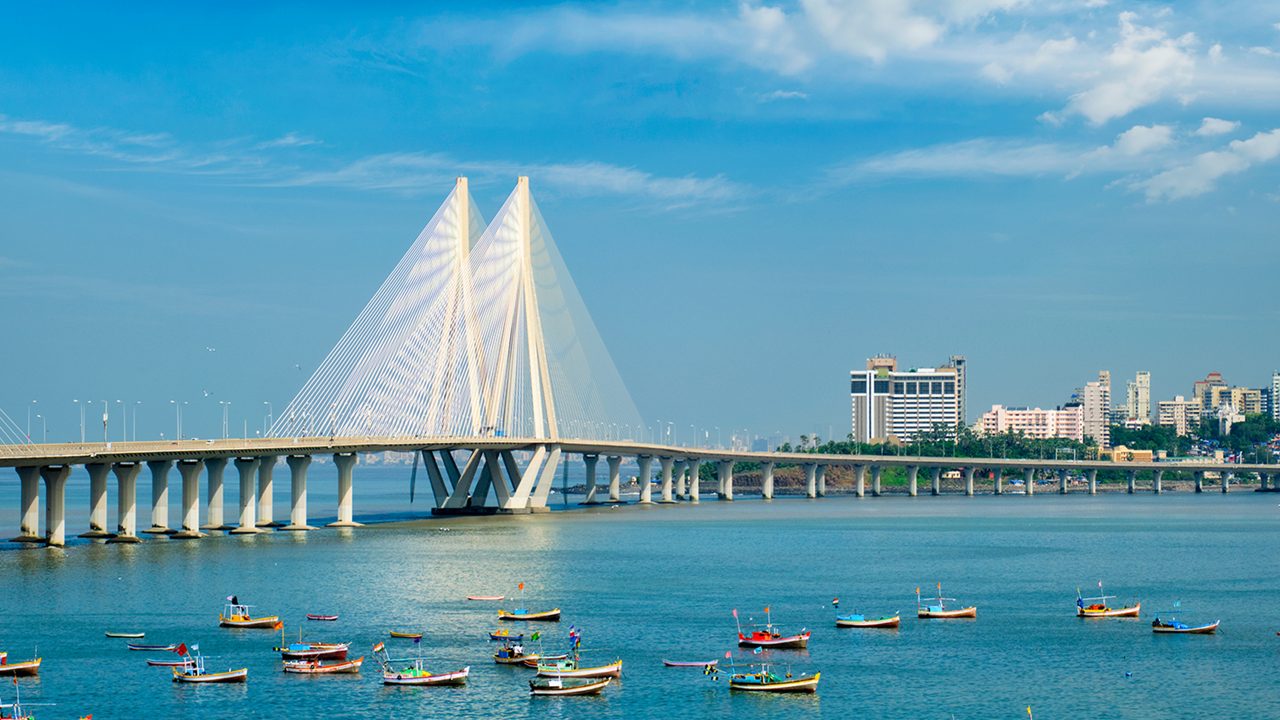
A proposed auction of a prime land parcel in Worli by the Brihanmumbai Municipal Corporation (BMC) has triggered a sharp debate within both political and hospitality circles, as opposition leaders allege the move effectively “gifts” a high-value site for the development of a five-star hotel.
From a hospitality industry perspective, the development highlights the continued attractiveness of Mumbai’s luxury hotel segment, particularly in high-demand micro-markets such as Worli, which sits at the intersection of business districts, premium residential zones, and key infrastructure corridors. Industry stakeholders note that such locations remain highly sought-after for upscale and luxury hotel developments due to their proximity to corporate hubs, high-spending clientele, and strong year-round demand.
However, the controversy surrounding the auction underscores the increasing scrutiny on land allocation for hospitality projects in urban centres. Critics argue that public land being channelled toward luxury developments raises concerns over transparency, valuation, and public interest, especially in a city where land scarcity remains a pressing issue.
For hotel developers and operators, access to well-located land parcels in metros like Mumbai has always been a critical constraint. The situation has led many hospitality players to adopt asset-light models, management contracts, and conversions rather than pursuing greenfield luxury developments in core city locations. In this context, the Worli plot represents a rare opportunity for a new-build premium hotel in a prime urban setting.
At the same time, the debate also reflects a broader shift in hospitality development priorities. While luxury hotels in marquee locations continue to hold strategic importance, there is growing momentum toward expanding in Tier II and III cities, pilgrimage destinations, and emerging leisure markets where land availability is higher and development costs are more viable.
Industry experts suggest that if executed transparently, such projects can contribute significantly to the local economy by generating employment, boosting tourism infrastructure, and attracting global hospitality brands. A five-star hotel in Worli could further strengthen Mumbai’s positioning as a global business and leisure destination, supporting demand from international travellers, corporate events, and high-end tourism.
As the discussion unfolds, the outcome of the proposed auction will be closely watched by hospitality developers, investors, and policymakers alike, as it may set a precedent for future urban land use decisions impacting the sector.