


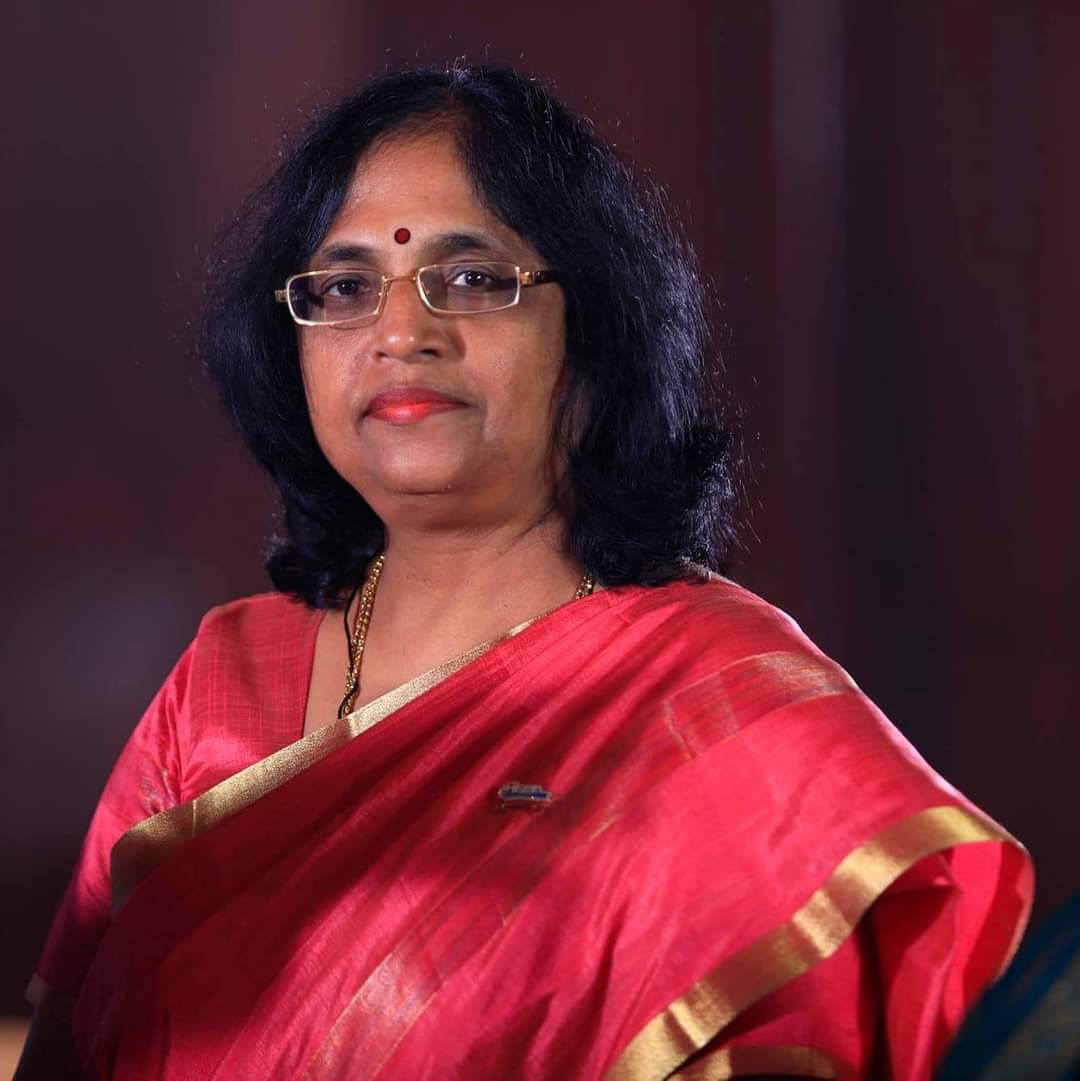
With decades of experience in the hospitality industry and a strong commitment to improving the housekeeping profession, Jayashree Nagaraj is a key figure in changing behind-the-scenes service into a respected part of hospitality. As the Founder-President of the Professional Housekeepers’ Association (PHA), she has not only supported professional development and recognition for housekeepers but has also helped create a lively platform across India and Asia that empowers thousands in the industry. In a conversation with Asmita Mukherjee, Nagaraj reflects on her personal journey, the significance of PHA’s 10th anniversary, the challenges housekeeping faces today, and her bold vision for the future.
You’ve spent years in the hospitality industry, what initially drew you to this field, and what has kept you passionate about housekeeping all these years?
After years in the hospitality industry, what initially drew me to this field was the dynamic nature of guest interactions and the immediate impact you could have on someone’s experience. There’s a unique satisfaction in knowing you’ve directly contributed to making someone’s stay comfortable, enjoyable, or even memorable. The idea of creating a “home away from home” for travelers, even for a short while, was incredibly appealing.
This year’s National Housekeepers’ Convention marked a major milestone, PHA’s 10th anniversary. What was the most meaningful moment for you at the event, and how did it reflect the association’s journey so far?
Recognising life members at the 10th-anniversary convention for dedicated 10 years of service was a powerful moment, symbolising gratitude for the past, strength in the present, and confidence in the future of the housekeeping profession, thanks to their unwavering dedication. Thanking these 20-plus life members isn’t just about acknowledging longevity; it’s about celebrating the bedrock upon which PHA was built and has thrived. These individuals are the pioneers, the consistent driving force who have dedicated a decade to uplifting the housekeeping profession.
It truly underscores PHA’s journey from a nascent idea to a robust, influential body. It also shows that PHA provides a compelling and rewarding platform for professionals. It is a testament to PHA’s stability and success.
Housekeeping is often called the silent backbone of hospitality. Why do you think it continues to be under-recognised, and how is PHA working to change that?
Despite being central to guest satisfaction, housekeeping often remains under-recognised due to long-standing perceptions and the invisible nature of its success.
Behind-the-Scenes Nature: Their work is done before a guest sees it, so the absence of issues (which is their success) often goes unnoticed.
Perception as Manual Labor: There’s an outdated perception that housekeeping is merely a low-skill, manual labor job. This overlooks the immense skill, attention to detail, efficiency, time management, product knowledge, and problem-solving abilities required.
Lack of Direct Revenue Generation: Housekeeping is typically seen as an expense department rather than a revenue-generating one.
High Turnover and Staff Shortages: The demanding nature of the job, coupled with historical under-recognition and sometimes lower pay, can lead to high turnover.
Focus on “Glamour” Departments: The “glamour” of hospitality often falls on front-of-house roles, culinary teams, or sales and marketing, which are more visible to the public and often receive more accolades.
Invisible” Success: A perfectly clean room is the expected norm. Guests only really notice housekeeping when something is wrong. The absence of complaints is a sign of excellence, but it doesn’t often lead to direct praise.
PHA is actively working to dismantle the “silent” part of the “silent backbone” by making housekeeping’s critical role visible, professionalising the workforce, nurturing new talent, and ensuring that their invaluable contributions are recognised and celebrated across the hospitality landscape. To add on, PHA is encouraging Professionalisation and Skill Development in their members, Promoting Visibility and Recognition, Encouraging Mentorship and Nurturing Future Talent (PHA YUVA), Practicing Advocacy and Collaboration and Embracing Technology and Innovation.
The industry is facing a severe talent crunch, especially in housekeeping roles. What do you believe are the key reasons behind this, and how can the sector attract and retain quality talent today?
The key reasons for talent crunch imay be because of low wages and limited benefits, perception and lack of respect, physically demanding and stressful work, long and Irregular working hours, poor work-llfe balance, limited career progression and skill development, impact of the pandemic and competition from other sectors, Attracting and retaining talent in housekeeping requires a holistic approach that addresses the core issues of compensation, recognition, work environment, and career growth. The sector can attract and retain quality talent in the following ways:
- Re-evaluate Compensation and Benefits
- Elevate Recognition and Respect
- Improve Work Environment and Work-Life Balance
- Invest in Career Development and Growth
- Strengthen Recruitment Strategies
- Foster a Positive Organisational Culture
From your own journey in hospitality, what challenges did you face rising through the ranks, and what helped you overcome them?
In my own journey rising through the ranks in hospitality, particularly within housekeeping, I encountered a unique set of challenges. It wasn’t always a linear path, but looking back, each hurdle taught invaluable lessons.
For young professionals starting in housekeeping today, especially women, what guidance would you give on growing into leadership positions?
Growing into a leadership position in housekeeping is a journey of continuous learning, dedication, and strategic networking. For young women, it’s also about breaking perceptions and proving that competence, diligence, and strong leadership skills know no gender. Embrace the challenges, learn from every experience, and champion your passion for creating exceptional guest experiences.
he housekeeping profession, particularly in India, offers immense opportunities for growth, and it’s fantastic to see young women professionals entering the field with aspirations for leadership.
Technology and automation are reshaping every corner of hospitality. How can housekeepers leverage these tools not just for operational ease but also for long-term career advancement?
Technology and automation are not just buzzwords; they are fundamentally reshaping the hospitality landscape, and housekeeping is at the forefront of this transformation. For housekeepers, leveraging these tools isn’t just about operational ease – it’s a strategic pathway to long-term career advancement. Technology is not a threat to housekeeping jobs, but rather an evolution that elevates the nature of the work. For those who choose to upskill and adapt, it opens doors to more strategic, analytical, and ultimately, more rewarding leadership positions within the hospitality industry.
As the Founder-President of PHA, you’ve helped build a powerful platform for housekeepers across India and Asia. What’s your vision for the next phase of PHA’s growth?
As Founder-President of PHA, having witnessed its growth from a small group of enthusiastic housekeepers to a powerful national and increasingly Asian platform, my vision for the next phase of PHA’s growth is ambitious yet grounded in the core principles that have guided us thus far. It revolves around elevating the profession through advanced knowledge, broader influence, and deep-seated sustainability.
The next decade for PHA will be about solidifying our position as the voice of housekeeping, not just in India, but across Asia. It’s about moving from being recognised for our efforts to being the indispensable cornerstone for professionalism, innovation, and talent development in the global housekeeping fraternity. This vision requires continued dedication from our life members, proactive engagement from all members, and strategic foresight to adapt to a rapidly changing world.