


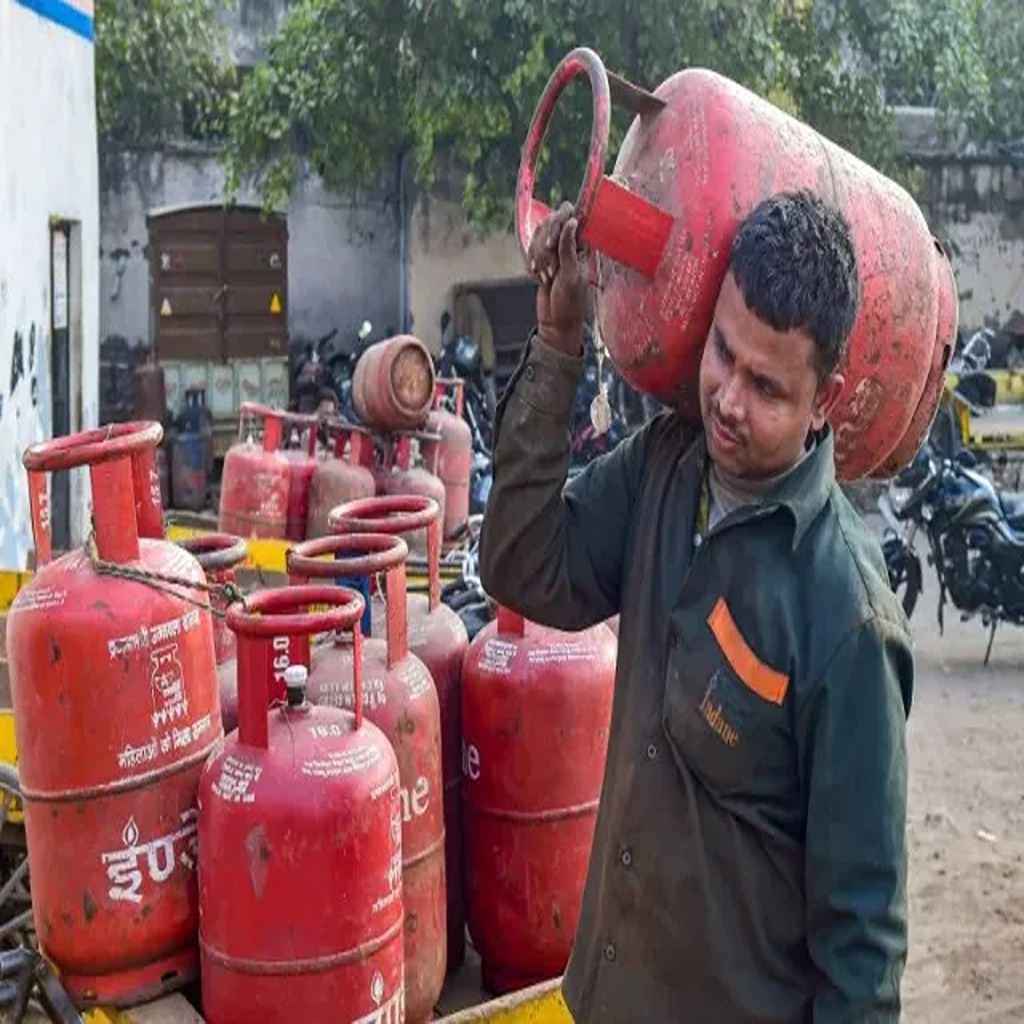
LPG Shortage Forces Hotels to Shift to Firewood
Hotels and roadside eateries in Kurnool and nearby districts are increasingly turning to traditional cooking fuels as the supply of Liquefied Petroleum Gas (LPG) cylinders has slowed significantly across parts of Andhra Pradesh.
The shortage of commercial LPG has disrupted kitchen operations for hotels and dhabas, forcing many businesses to rely on alternatives such as firewood, rice husk, groundnut shells, and charcoal. This sudden surge in demand has led to a sharp spike in prices of these fuels.
Firewood Prices Jump Amid Demand Surge
According to industry sources, firewood traders have increased prices significantly as hotel operators rush to secure alternative fuel supplies.
Firewood that was previously sold at around ₹3,300 per tonne is now priced at nearly ₹4,500 per tonne, reflecting a sharp increase due to higher demand. Other fuels commonly used in small food-processing units are also witnessing similar price hikes.
Groundnut shells have risen from ₹3,800 to ₹4,600 per tonne, while rice husk prices have increased from ₹3,200 to ₹4,500 per tonne. Even charcoal used in cooking has seen a rise, with 5 kg packs increasing from ₹250 to ₹400.
Roadside Dhabas Along NH44 Switching Cooking Methods
The impact of the LPG shortage is particularly visible along the National Highway 44, which connects Hyderabad and Bengaluru.
Thousands of roadside dhabas along the highway that passes through Anantapur, Sri Sathya Sai district, and Kurnool have started cooking food using firewood stoves to continue serving travellers and truck drivers.
A dhaba staff member near Dhone was seen preparing food on a traditional firewood stove due to the non-availability of LPG cylinders.
Operational Challenges for Hotel Owners
Hotel operators say the sudden shift to traditional cooking fuels has created operational challenges. Installing firewood stoves requires additional space and infrastructure, which many urban or small establishments may not have.
Industry representatives note that as long as LPG was readily available, prices of alternative fuels remained stable. However, the current shortage has forced hotels and restaurants to purchase substitutes in bulk, driving up costs across the supply chain.
With no immediate clarity on LPG supply normalisation, many hospitality businesses are expected to continue relying on traditional methods.
source: Deccan Chronicle