


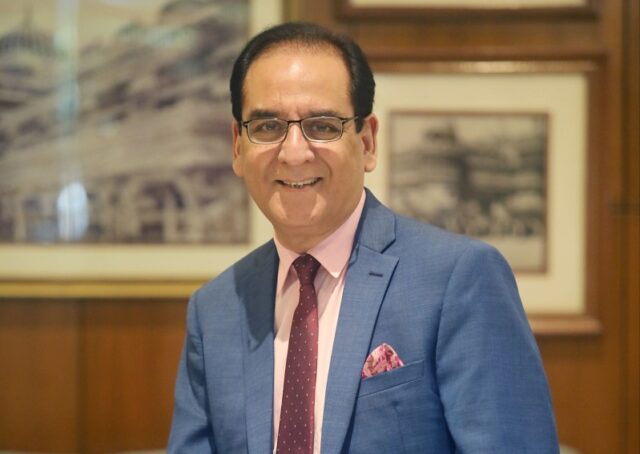
India’s hospitality industry witnessed a year of renewed optimism and sustained momentum in 2025, driven by strong demand across spiritual, cultural, experiential and event-led travel segments, according to K.B. Kachru, President of the Hotel Association of India (HAI) and Chairman–South Asia, Radisson Hotel Group.
“2025 has been a year of renewed optimism for India’s hospitality sector, marked by sustained momentum and strong demand indicators,” Kachru said, noting that spiritual tourism emerged as one of the most significant growth drivers for hotels during the year.
He pointed out that destinations such as Ayodhya, Jammu, Varanasi, Puri, Amritsar and Tirupati witnessed exceptional footfall, while the historic Maha Kumbh further boosted hotel occupancies and drove demand growth in Tier-II and Tier-III markets. International tourist arrivals also saw a steady increase, particularly along India’s spiritual circuits, creating new opportunities to develop destination-led experiences.
Highlighting the industry’s financial performance, Kachru said various industry reports indicated exceptional growth for the hospitality sector, with Revenue Per Available Room (RevPAR) rising 12.9 per cent in the second quarter of 2025.
The year also saw a surge in youth-driven travel demand, fuelled by large-scale concerts and global music performances. Major events featuring international headliners such as Coldplay, Alan Walker and Ed Sheeran acted as strong demand catalysts for hotels, restaurants and allied sectors.
Referring to Coldplay’s concert in Ahmedabad, Kachru said the event generated an estimated economic impact of Rs 641 crore, with Rs 392 crore flowing directly into the city’s economy and Rs 72 crore collected as GST revenue.
“This exemplifies how large-scale events can significantly boost local businesses, from hotels and restaurants to transport, retail, art and handicrafts,” he said.
Kachru also underscored the contribution of India’s vibrant wedding market to hospitality demand. He noted that the country was estimated to host around 4.6 million weddings in 2025, adding another strong layer of demand and reinforcing the sector’s resilience and diversity. According to government estimates, these events are expected to collectively generate around Rs 3,000 crore in revenue, underlining their growing importance as a driver of tourism and economic activity.
Looking ahead, Kachru said India’s robust macroeconomic environment continues to provide a strong foundation for the hospitality industry’s growth. A rising GDP trajectory, accelerated infrastructure development—including new airports, enhanced regional connectivity and upgraded rail networks—along with the government’s sustained focus on tourism and destination development programmes have strengthened the ecosystem for both business and leisure travel.
“Increased interest in India for spiritual travel, MICE, and wellness-led experiences is further supporting this momentum,” he said.
As the industry enters 2026, Kachru expressed confidence in continued expansion and resilience. According to industry reports, India’s hospitality sector is expected to maintain its rebound, with the broader branded hotel segment likely to see 7–8 per cent RevPAR growth in FY2026. Average room rates (ARR) are projected to rise to around Rs 8,400–8,600, supported by robust domestic demand, expanding travel infrastructure and increasing penetration of the organised hotel sector.
“We look forward to a supportive budget and remain committed to working with industry stakeholders and policymakers to build a future-ready, sustainable and globally competitive hospitality ecosystem,” Kachru said.