


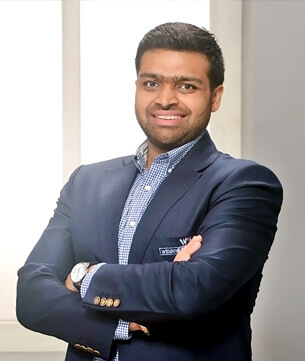
Fenestration – the art and science of designing windows, doors, and skylights has evolved from being a mere functional necessity to an essential element of architecture that defines aesthetics, sustainability, and comfort. At the forefront of this transformation in India is Window Magic, a pioneer in uPVC and aluminium window and door systems. Established in 2002, the company set out to revolutionise the fenestration industry by introducing German technology that combined performance with eco-friendliness and visual appeal. Manish Bansal, CEO and Director of Window Magic, a graduate of the University of Kent, UK, has brought strategic foresight, global perspective, and a commitment to quality that has propelled the company into becoming one of India’s most respected fenestration brands. In an exclusive conversation with Asmita Mukherjee, Manish Bansal shares insights on India’s evolving premium fenestration market, the rising demand in tier-two and tier-three cities, and the company’s vision for the future of hospitality, residential, and commercial spaces.
What is your view on the premium doors and windows market in India, especially with growing demand in tier two and tier three cities? What strategy have you adopted to stay competitive?
The premium segment has evolved significantly in the past five to six years. Earlier, doors and windows were seen as just functional parts of a building. Today, consumers ,whether in residences, institutions, or hospitality are investing in design, detailing, and premium finishes. In tier-I cities, adoption has been faster because of higher awareness. Tier-II and III cities, however, represent enormous potential. While purchase power is fragmented there, the overall market size is very large. Our strategy is twofold: building a strong national brand presence, and working with trusted local dealers to establish credibility and service assurance.
Do you have specific products designed for the hospitality sector?
Yes. Two of our most popular solutions are switchable glass, which can turn opaque or clear at the touch of a switch, and double-glazed units with Venetian blinds integrated between the glass, widely used in hotels for privacy and aesthetics. We also partner with Alumin, a luxury Greek brand, to offer high-end aluminum doors and windows, ideal for hospitality spaces such as rooms, common areas, and hilltop restaurants with panoramic views.
How do you see the demand for automation in hospitality doors and windows?
The demand is growing, though selectively. Hotels are adopting automatic systems for high-traffic areas like entrances, but cost comparisons often push them toward manual solutions in other spaces. Interestingly, private villas and premium residential projects are showing strong interest in automated doors and windows.
Have you tied up with any hotels or hospitality groups?
We’ve worked on projects with global chains such as Marriott and JW Marriott. That said, most hospitality groups don’t exclusively tie up with one brand; final decisions often rest with developers or owners. Before COVID-19, we also had a nationwide tie-up with OYO, supplying across their properties.
Which verticals currently contribute the most to your revenue?
Real estate is our largest contributor, accounting for 50–60% of revenue, split between private developers and government projects. We’ve worked on significant redevelopment projects, as well as universities, medical colleges, and housing projects for government officers.
Do you plan to focus on any particular geography?
We are strengthening our footprint in North India while expanding both pan-India and overseas. Rather than focusing on a single region, we’re growing simultaneously across residential, government, hospitality, and institutional projects.
asmita.mukherjee@saffronsynergies.in