

Metro Expansion
Radisson Hotel Group has strengthened its Mumbai Metropolitan Region strategy with the signing of two new hotels in partnership with Vihang Group, targeting emerging business corridors in Thane and Mira Bhayandar.
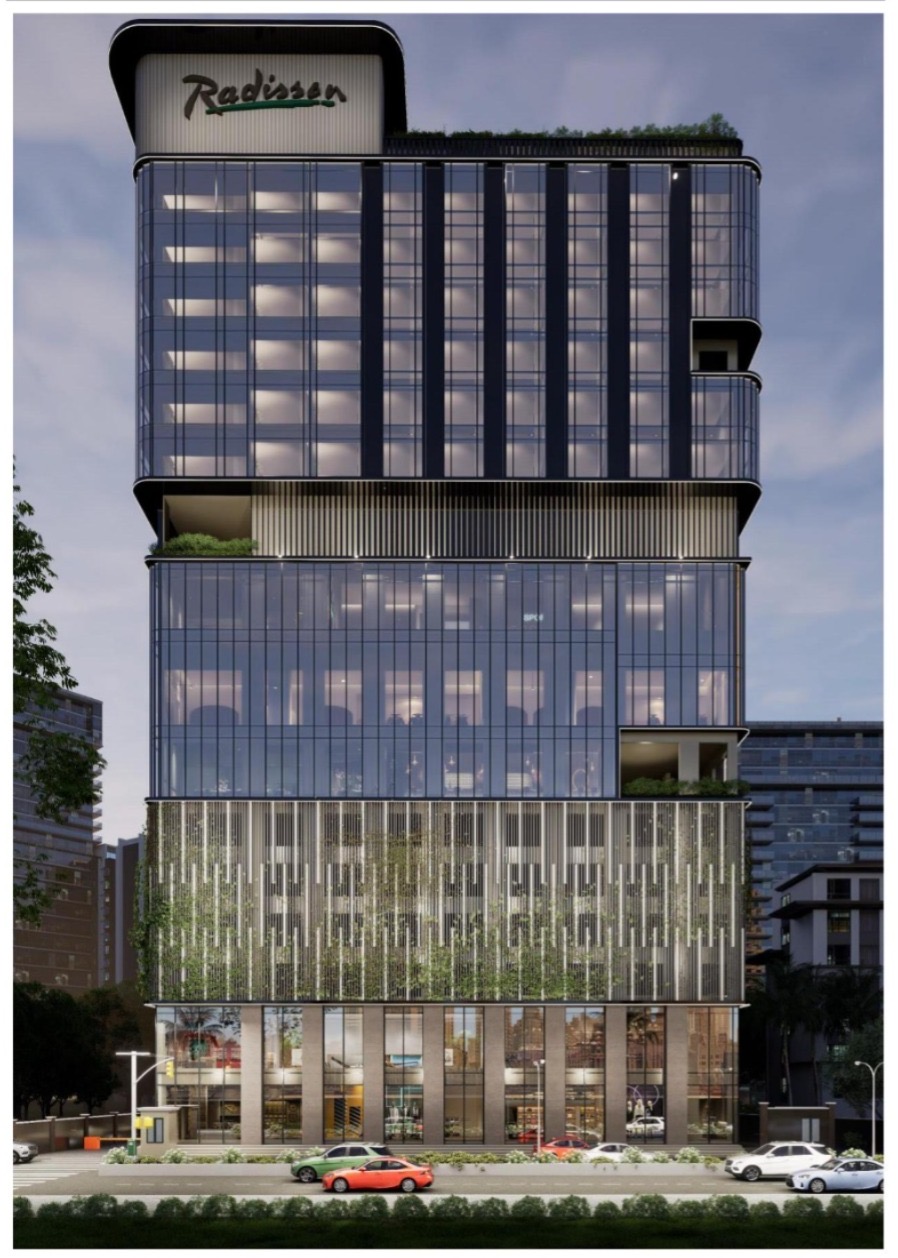
The dual signing includes Radisson Hotel Mumbai Thane (114 rooms) and Radisson Hotel Mumbai Mira Bhayandar(103 rooms), taking the total inventory to 217 keys. The move aligns with the group’s strategy to deepen its footprint within metro regions by tapping into high-growth peripheral micro-markets rather than traditional central business districts.
The Mira Bhayandar property, part of the Vihang Ventura mixed-use development, is positioned as the first internationally branded five-star hotel in the micro-market, reflecting the area’s transition from a suburban extension to an emerging urban cluster. Improved infrastructure, including connectivity via National Highway 48 and upcoming metro links such as Metro Line 9, is accelerating this shift.
Mixed-Use Growth
From a hospitality development perspective, both assets are embedded within mixed-use ecosystems, integrating hospitality with retail and commercial components. This model is increasingly being adopted to ensure sustained demand, diversified revenue streams, and stronger asset performance.
The hotels are being designed to cater to a mix of corporate, MICE, and transient demand, supported by all-day dining, specialty restaurants, banquet and meeting spaces, along with wellness amenities such as fitness centres and swimming pools—indicating a balanced business-leisure positioning.
For Mumbai, the expansion highlights a broader trend where hospitality demand is moving outward into satellite hubs driven by infrastructure upgrades, commercial decentralisation, and residential growth. Locations like Thane and Mira Bhayandar are increasingly attracting IT, BFSI, and logistics-driven occupiers, creating new demand centres for branded hotels.
With over 200 hotels operational and under development in India, Radisson Hotel Group continues to focus on cluster-based expansion within metros, leveraging early entry into emerging corridors to capture long-term growth.
The development also signals a shift in urban hospitality planning—where location-led demand, connectivity, and integrated developments are becoming as critical as brand positioning in shaping future hotel investments.