


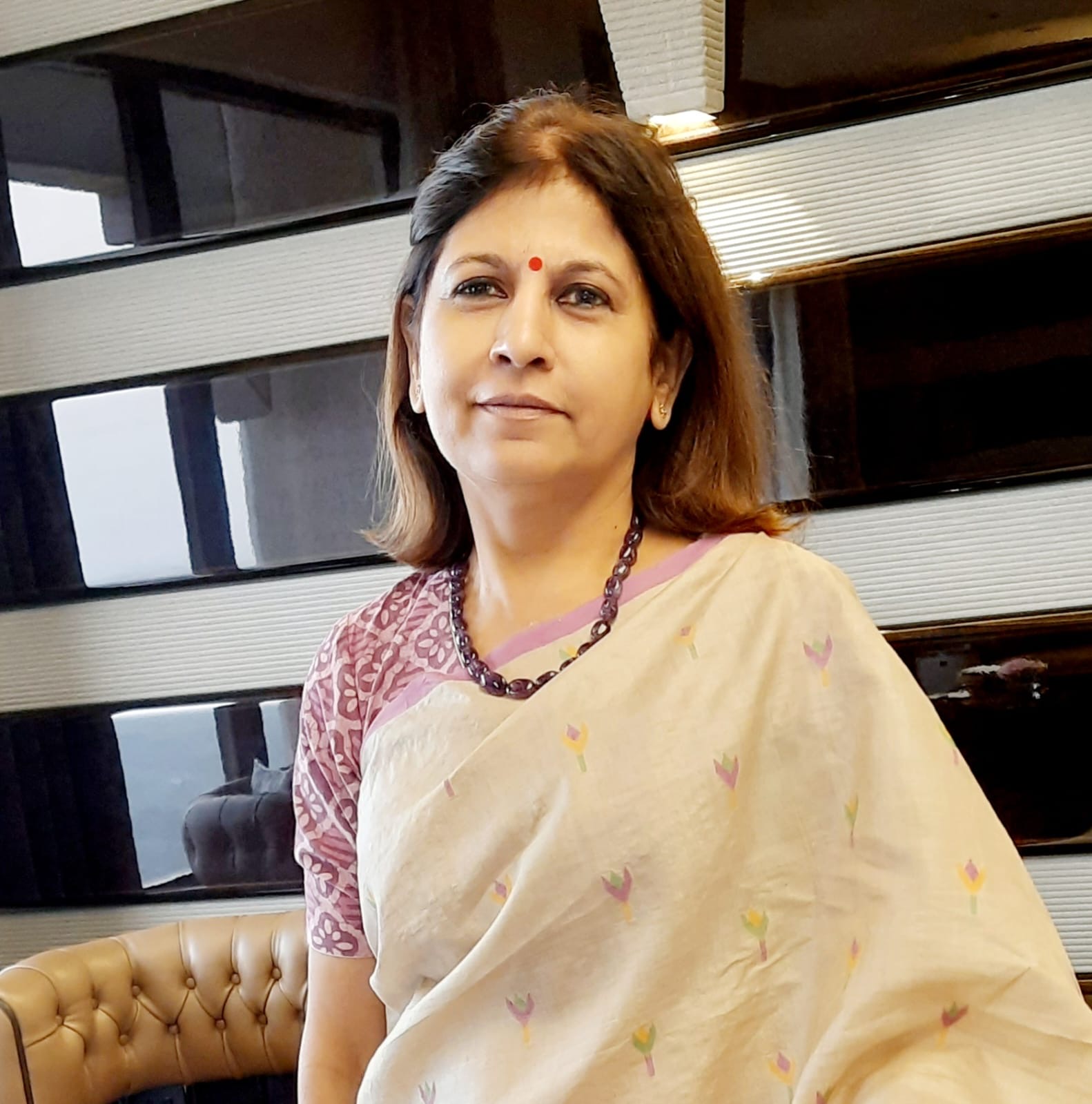
With a career spanning four decades, Charulata Sukhija stands among the most experienced voices in India’s hospitality sector. Currently Deputy Secretary General of the Hotel Association of India (HAI), the apex national body representing the hospitality industry, she has been part of the sector since 1985. Beginning her journey as a management trainee with ITDC, Sukhija went on to build nearly two decades of experience across hotel operations, sales and marketing, events and corporate roles, including leadership stints with International Travel House (an ITC company) and Thailand-based Challenge Hospitality. An alumna of IHM Pusa, Delhi University and IMI New Delhi, she now plays a pivotal role in industry advocacy and policy engagement. Asmita Mukherjee speaks with Sukhija to discuss her priorities and vision as Deputy Secretary General of HAI.
How has your journey across diverse roles shaped your understanding of India’s hospitality ecosystem?
Working across diverse roles- hotel operations, sales and marketing, corporate affairs, events, tours and travel, and industry bodies- has helped me develop a deeper understanding of market dynamics, industry challenges, and the perspectives of all stakeholders, including guests, bookers, corporate clients, travel portals, tour operators, industry associations, and the government. This has deepened and strengthened my understanding of India’s hospitality ecosystem. Having worked with the India Tourism Development Corporation (ITDC), International Travel House, Challenge Hospitality Thailand and now Hotel Association of India (HAI), I have had the unique opportunity to work in different kinds of establishments – a large public sector, one of India’s most respected corporate houses, a foreign company, and with a noncommercial, not-for-profit enterprise.
Tourism and hospitality is a vibrant, exciting sector. To an outsider, it may appear glamorous and elitist, and is often seen as a bridge between cultures, countries, and regions. Those engaged in the sector, however, understand its importance as an economic driver and its role in nation-building. Working in the sector requires hard work, discipline, focus on guest service and satisfaction and an understanding of a large number of subjects. The varied experiences helped me get a nuanced perspective on governance, sectoral policies, growth, sustainability, and community engagement that define hospitality.
Having started your career with ITDC in 1985, what are the most significant shifts you’ve witnessed in India’s hospitality landscape over the past four decades?
Unlike the rest of the world, India’s concept of hospitality was rooted in tradition and duty. Resting places known as sarais and dharamshalas were built along trade and pilgrimage routes to provide shelter, food, and water for travellers and their livestock. The British later introduced the first modern hotels. After Independence, Indian hotel chains such as the Taj and Oberoi groups took over British-era properties and expanded both domestically and internationally, eventually establishing a presence overseas as well. In 1956, the government built The Ashok, and a decade later, it set up the India Tourism Development Corporation to develop tourism infrastructure, including hotels.
The first major shift came with the economic liberalisation of the 1990s, which spurred high economic growth and led to the proliferation of mid-market hotels. During this period, companies both owned and managed hotels, and real estate firms began diversifying into the hospitality sector.
The next major shift was the entry of international brands such as Marriott, Starwood, Hyatt, Accor, and Hilton, which brought strong global management practices and intensified competition. Other brands in this space, including Radisson, Wyndham, and the homegrown Sarovar Hotels, are also expanding their footprint rapidly.
In recent times, Indian hotel companies have been growing fast with a mixed portfolio of owned and managed properties. They have and continue to invest in skilling, sustainable practices and technology. With operations firmly founded in the ethos of Atithi Devo Bhava, Indian hotels today are among the best in the world. They continue to be guest-centric in their operations, curating experiences, incorporating the latest technology while being responsible. They promote Indian culture, heritage, cuisine, traditions, arts and crafts and engage with the local community while creating tourism infrastructure and contributing to the economy.
The Hotel Association of India (HAI) plays a key role in policy advocacy and industry representation. What are HAI’s current priorities to strengthen India’s hospitality sector post-pandemic?
Post-pandemic, the focus has been on the road to recovery, resilience, and sustainable growth. Tourism and hospitality have been identified as key sectors in India’s Vision 2047 for a Viksit Bharatbuilt on the principles of Atmanirbharta. By 2047, India’s tourism industry is expected to contribute 10 percent to the nation’s GDP.
Although hotels contribute significantly to job creation- both direct and indirect, and across skill categories- the sector has not received the recognition it deserves. Hotels form a critical part of tourism infrastructure by providing essential accommodation for travellers. They are capital-intensive businesses with long gestation periods, and India remains heavily under-roomed. To meet the tourism targets set for 2047, hotel capacity must expand rapidly and across the country. For this, the sector needs access to substantial funding at reasonable interest rates. Granting infrastructure status to all hotels, regardless of location or star category, would play a key role in enabling this growth.
Hotels have high operational costs that are largely fixed in nature. They should be granted the same benefits that industries or agriculture receive in various states, such as lower utility tariffs-power and reduced property tax rates, instead of the current commercial levies. These policy interventions would significantly encourage investment in the sector.
Hotels generate foreign exchange and should be granted deemed export status. There is also an urgent need to rationalise GST on hotel tariffs and allow input tax credit across the newly reduced slabs.
Better ease of doing business in terms of the number and costs of licenses/approvals/NoCs with a single window clearance for all permissions will aid quicker expansion of the sector.
Upskilling and bridging the talent gap in the sector is a key focus area for the Association. The judicious adoption of technology, without losing the essential human touch in guest service, is equally important for ensuring sustainable growth.
Given your experience with international brands like Lebua and Challenge Hospitality, how do you think Indian hotels can better position themselves in the global luxury and experiential travel markets?
The culture and warmth of Indian hospitality are unparalleled. Our greatest strength lies in our people, and skilling is therefore of paramount importance to creating memorable guest experiences.
Hotels are increasingly embracing the country’s cultural richness. Through innovations in design, the creation of exceptional guest experiences, and the use of technology for efficient operations and personalisation, while incorporating global best practices, Indian hotels are positioning and promoting themselves effectively. As a result, many Indian hotels now rank among the best in both the business and leisure categories. Indian hotel companies are also managing properties overseas, showcasing the excellence of Indian hospitality to the world.
The hospitality industry is increasingly aligning with sustainability and responsible tourism. How is HAI guiding its members toward more sustainable operations and green certifications?
A deep concern for the planet and the community has been at the very core of the business philosophy of the Association’s founder members, who believe in sustainable and responsible growth. HAI members have been trailblazers in the field of sustainability, a commitment that is also reflected in HAI’s mission statement.
HAI provides a platform for members to share best practices and learn from each other. The Association organises events and collaborates with other industry bodies to create opportunities for members to meet and interact with domestic and international domain experts. It also drives awareness and provides support mechanisms for its members.
HAI was the first industry body to endorse the industry-driven global initiative ‘Hotel Sustainability Basics’ by the World Travel & Tourism Council (WTTC) to promote responsible tourism. It has also signed an MoU with the Global Sustainable Tourism Council (GSTC).
With the rise of new-age travellers and digital transformation, how should traditional hotel brands evolve their marketing and guest engagement strategies?
Today, brands must move away from traditional transactional approaches and focus on relational engagement, leveraging data and AI to personalise communication and touchpoints-from discovery to post-stay interactions. The goal should be to blend technology with the timeless human touch that defines hospitality.
On a personal note, what leadership principles or career lessons have stayed with you from your early days at ITDC to your current role as Deputy Secretary General of HAI?
Lead by example. Build a strong team and ensure everyone is carried along, remembering that a team is only as strong as its weakest member. Understand the objectives and stay focused on the goal. While being professional, remain kind and humane, and stay calm in crises. Think long-term and maintain a broader outlook and vision. Always act ethically and follow good business practices.
Adaptability, empathy, and purpose are key. The service industry is about people, and leading with empathy fosters stronger teams and deeper connections. Adaptability is essential, as change is the only constant. Continue to learn and to teach.