


Skill Push
In a move that blends hospitality with social impact, Indian Hotels Company Limited is deepening its footprint in workforce development, with a strong focus on Jammu and Kashmir—a region where tourism potential and livelihood creation are increasingly intertwined.
At a time when India’s hospitality sector faces a growing demand for skilled talent, IHCL is positioning skilling as a strategic lever for both industry growth and community upliftment. Through its ESG+ framework Paathya, the company has set an ambitious target to upskill 100,000 youth by 2030, embedding employability at the core of its sustainability agenda.
The scale of this effort is already visible. IHCL has built a network of 83 skilling centres across 21+ states, collectively training over 42,000 youth—many fromregions where access to formal hospitality training has historically been limited.
Nowhere is this more pronounced than in Jammu & Kashmir.
Tourism Boost
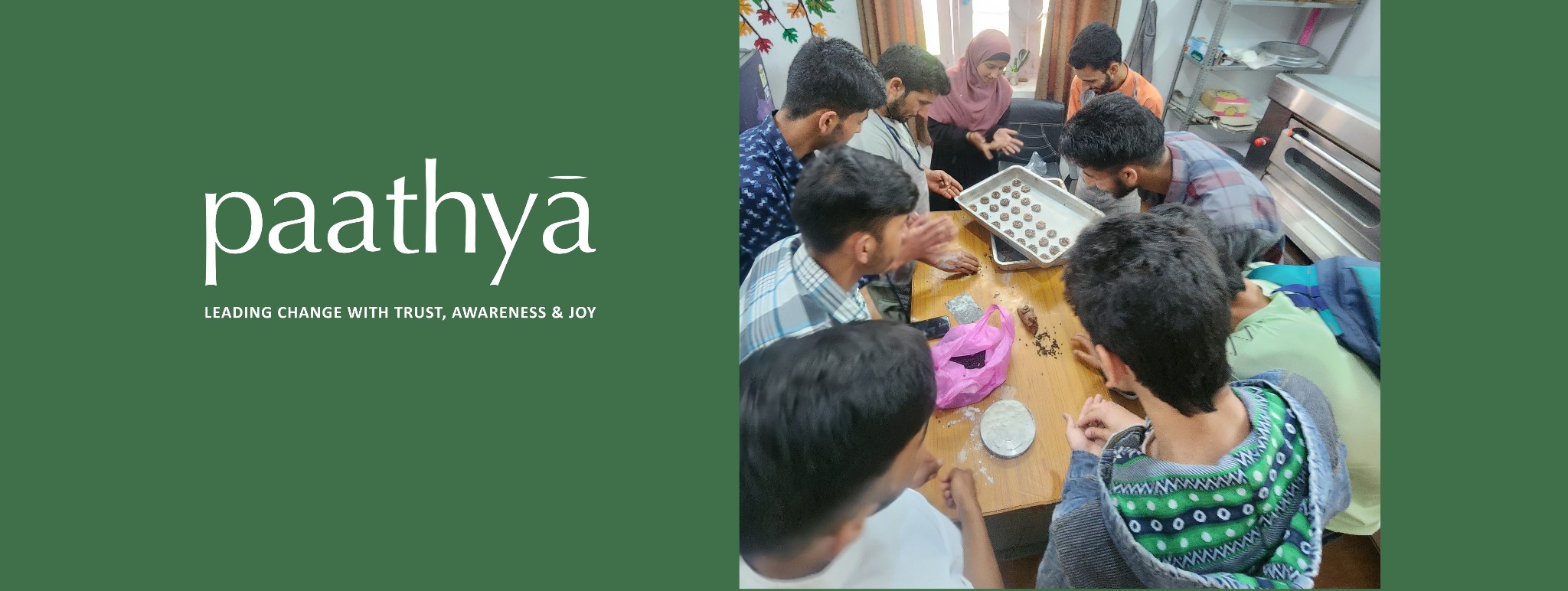
In the region, IHCL has adopted a partnership-led model, working with organisations such as REACHA, supported by the Indian Army, to establish a skill centre in Uri. The focus here is on delivering industry-relevant, job-ready training, tailored to local employment opportunities.
Further collaborations with Tata STRIVE have expanded programmes across Baramulla and Kupwara, particularly in bakery and food & beverage services—segments closely aligned with tourism-driven demand. Meanwhile, a tie-up with IIT Jammu brings an added layer of academic rigour, integrating structured learning with practical industry exposure.
From a hospitality perspective, this initiative reflects a shift beyond traditional hotel operations into ecosystem building. By investing in local talent pipelines, IHCL is not only addressing workforce shortages but also enabling regions like J&K to retain tourism value within local communities.
As articulated by Gaurav Pokhariyal, skilling is being treated as a catalyst for long-term transformation—bridging employment gaps while strengthening the foundation for sustainable tourism growth.
In a sector where service quality is intrinsically linked to human capital, IHCL’s approach signals a broader industry evolution—one where training, inclusion, and regional development are becoming as critical as infrastructure and inventory.
For Jammu & Kashmir, the impact could be far-reaching: a skilled workforce, stronger local economies, and a tourism sector that grows not just in numbers, but in resilience and inclusivity.


