


Asmita Mukherjee | Hyderabad
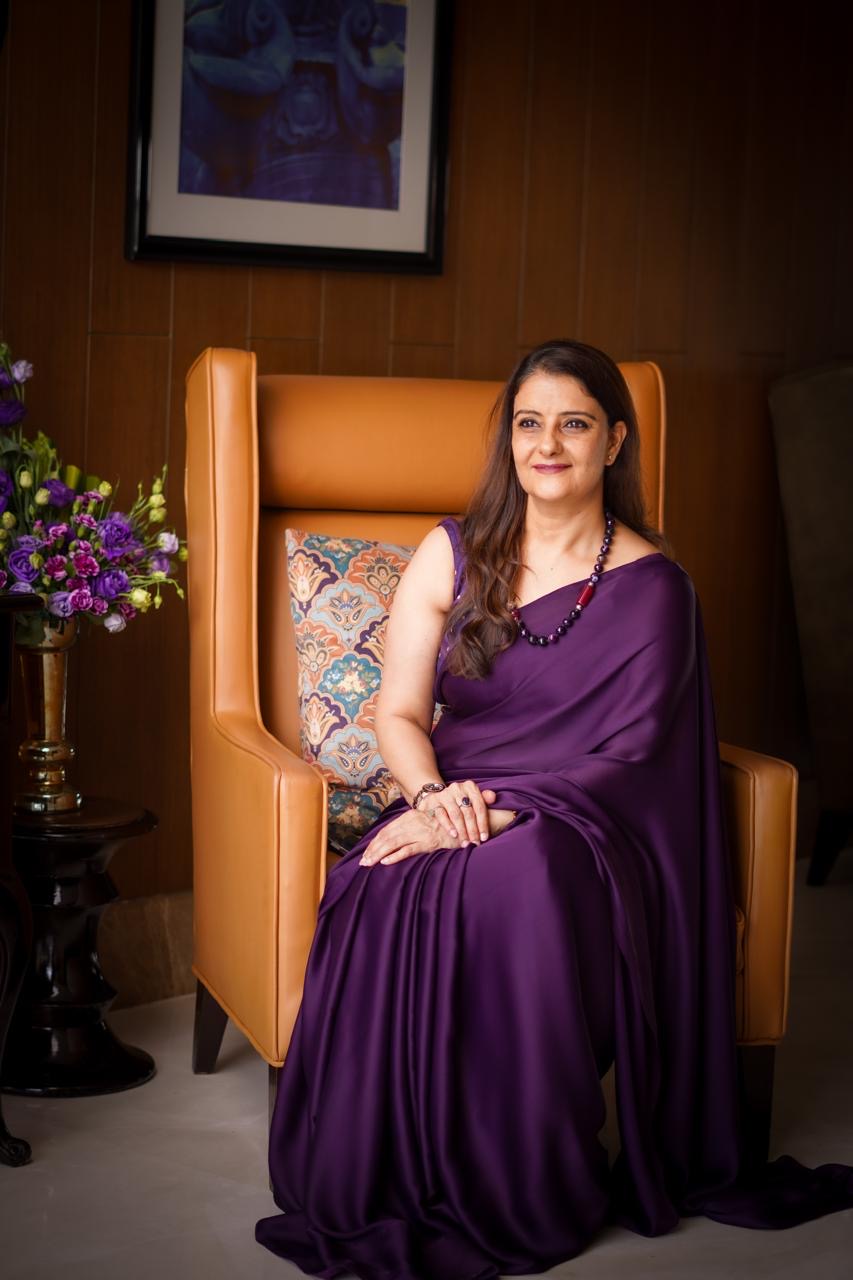
The traditional playbook of filling rooms and maximising occupancy is beginning to lose its dominance in India’s luxury hospitality sector as changing consumer preferences force hotels to rethink how they generate revenue. While occupancy, Average Daily Rate (ADR) and Revenue Per Available Room (RevPAR) remain the industry’s benchmark indicators, evolving demand for experiential dining, wellness, entertainment, destination weddings and blended business-leisure travel is steadily reshaping commercial strategies. In Bengaluru, one of the country’s most competitive hotel markets, operators are increasingly diversifying beyond room sales, with ancillary businesses emerging as critical profit centres. According to Sushma Khichar, General Manager of Sheraton Grand Bangalore Hotel at Brigade Gateway, the property’s performance over the past year reflects this transition, with growth being driven by a balanced mix of corporate travel, MICE, destination dining, social celebrations and leisure demand rather than any single business segment.
“The past year has been a strong one for us, with positive momentum across all key performance indicators. Growth has come from a balanced business mix spanning corporate travel, MICE, social celebrations, destination dining and leisure stays,” she says. Rather than chasing occupancy at the expense of rates, Khichar says the hotel’s commercial strategy has centred on disciplined revenue management, premium positioning and experience-led offerings.
“Experience-led packages, strategic partnerships and the Marriott Bonvoy ecosystem have supported our commercial performance. The key is adapting to evolving guest expectations while consistently delivering personalised hospitality,” she adds.
That approach reflects a broader trend across India’s premium hospitality sector, where hotels are looking beyond rooms to improve margins. According to Khichar, for Sheraton Grand Bangalore, food and beverage, banqueting and events have emerged as the largest contributors to non-room revenues. Restaurants continue to attract both resident guests and Bengaluru’s local dining audience, while conferences, government events and large weddings remain significant demand generators.
“Food and beverage, banqueting and events continue to be our strongest non-room revenue streams,” Khichar says. “While wellness, lifestyle experiences and curated stay packages are also growing steadily as guests increasingly look for integrated hospitality experiences beyond accommodation.”
This evolution is particularly evident in Bengaluru, where luxury hotels increasingly compete not only with one another but also with standalone restaurants, premium event venues and lifestyle destinations. Instead of relying on room discounts to remain competitive, operators are now focusing on protecting pricing power by offering various differentiated experiences.
“Maintaining pricing power requires delivering differentiated value rather than competing on price alone,” Khichar explains. “Our focus is on exceptional guest experiences, premium dining, entertainment and service excellence, while maintaining a balanced mix across corporate, leisure, MICE and social segments.”
She adds that leveraging Marriott Bonvoy’s global distribution network, long-standing corporate relationships and data-driven revenue management helps optimise occupancy without compromising rate integrity in one of India’s most competitive hotel markets.
Changing traveller behaviour is also forcing hotels to rethink their commercial strategies.
Business travel is no longer limited to meetings and conferences. Increasingly, guests are extending work trips into leisure breaks, while leisure travellers expect hotels to offer more than accommodation.”Today’s guests seek flexibility, personalisation and meaningful experiences,” says Khichar. “Business travellers increasingly combine work with leisure, while leisure guests expect immersive dining, wellness and destination-led experiences.”
To address these shifts, the hotel has expanded curated staycation packages, experiential dining programmes, flexible meeting formats and personalised loyalty-led offerings designed around different traveller segments, informs Khichar.
F&B has become one of the biggest battlegrounds in the premium hospitality space. Rather than functioning simply as hotel restaurants, luxury hotel outlets are increasingly positioning themselves as independent lifestyle destinations capable of attracting local patrons throughout the week. Khichar says the hotel has invested heavily in chef collaborations, regional food festivals, immersive menus, curated beverage programmes, influencer partnerships and entertainment-led programming to keep its restaurants relevant. “Our approach is centred on creating experiences rather than simply offering dining options,” she says. “These initiatives drive repeat visits, strengthen brand recall and contribute meaningfully to profitability.”
She points to High Ultra Lounge as an example of how destination dining and nightlife can complement the traditional hotel business, alongside the property’s other restaurants and seasonal culinary concepts.
Location also continues to play an important role in winning corporate business. Situated within Brigade Gateway, with access to the World Trade Centre, Orion Mall and major business districts, the hotel benefits from an ecosystem that serves business travellers, international visitors and leisure guests alike. “Our strength lies in offering a complete hospitality ecosystem under one roof,” Khichar says. “Our meeting facilities, dining destinations, wellness offerings and global loyalty platform together create a compelling proposition.”
Internally, however, she believes sustainable growth depends as much on people as on pricing strategies. “My focus is on balancing commercial performance with people development and guest satisfaction,” she says. “Revenue optimisation today goes beyond pricing. It is about strengthening every revenue stream while investing in associates through continuous learning, leadership development and an inclusive workplace culture.”
Down the line,Khichar expects experiential hospitality to remain one of the fastest-growing segments of the luxury hotel market. “We see significant opportunities in experiential hospitality, destination dining, entertainment, premium social celebrations and bleisure travel. Sustainability, digital innovation and personalised guest engagement will also play an increasingly important role. As Bengaluru continues to evolve as a global business and lifestyle hub, we remain focused on delivering experiences that create lasting value for our guests, associates, and stakeholders.”
She concludes by saying, “Our priorities are to continue growing across rooms, food and beverage, events and wellness, As Bengaluru evolves, we remain focused on delivering experiences that create long-term value for guests while building a sustainable business.”
Asmita.mukherjee@saffronsynergies.in